Lifespan by material, the failure modes nobody lists, and what a warranty really covers.
Almost every patio set that gets thrown away is structurally fine. It goes to the curb because the frame is streaked with rust, the cushions have gone chalky and pale, or a fastener sheared and nobody could source a replacement. Those are three separate failure modes with three separate causes, and the material you choose decides which of them you will eventually be dealing with.
This section exists because the numbers people quote for patio furniture lifespan are almost never sourced. Search for how long a patio set lasts and you will get confident ranges from sites that cite nothing, contradict each other, and were written by people who have never had to explain where a figure came from. We take the opposite approach: every lifespan claim on this site points at a published warranty, a manufacturer specification, or a peer-reviewed study, and where sources disagree we show the disagreement rather than averaging it into a number that belongs to nobody.
The three ways outdoor furniture dies
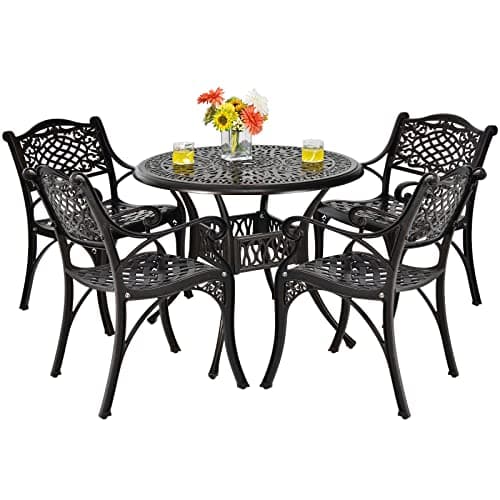
Corrosion is the fastest and the most visible. It is a steel problem, not a metal problem — aluminum does not rust, and the distinction matters more than almost any other single fact in this category. A powder-coated steel frame is protected only as long as the coating is unbroken; the first deep scratch or drilled fastener hole becomes the site where rust starts working outward under the paint.
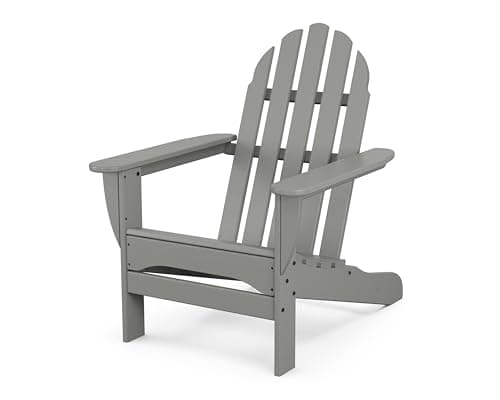
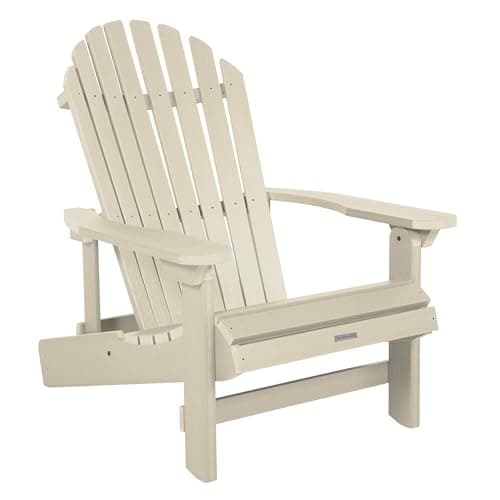
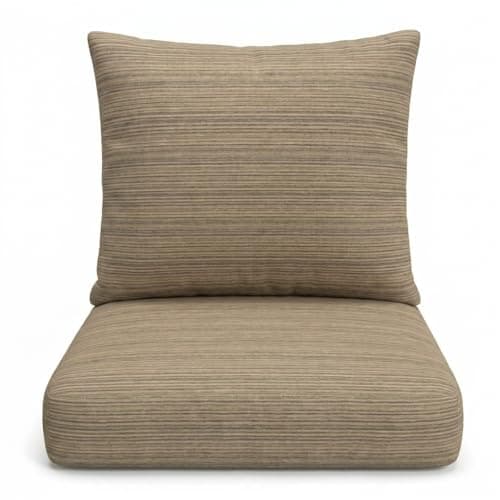
UV degradation is slower and sneakier. Sunlight breaks down the polymer chains in plastics and the dye in fabrics. Where the color is printed onto a fabric, it fades from the surface down. Where the color is in the fiber — as in solution-dyed acrylic — or compounded through the material — as in HDPE lumber — fading takes years rather than seasons, because there is no surface layer to lose.
Fastener and joint failure is the one nobody photographs. Wooden furniture fails at glued joints. Budget metal furniture fails at plated-steel bolts that rust and seize. Good outdoor furniture uses stainless hardware, and the better grade — 316 rather than 304 — carries 2 to 3% molybdenum specifically to resist the chloride pitting you get near the coast or beside a pool.
Lifespan at a glance
The full working is on our lifespan reference page, where each row shows the source it came from. The short version:
Material
Realistic outdoor life
What ends it
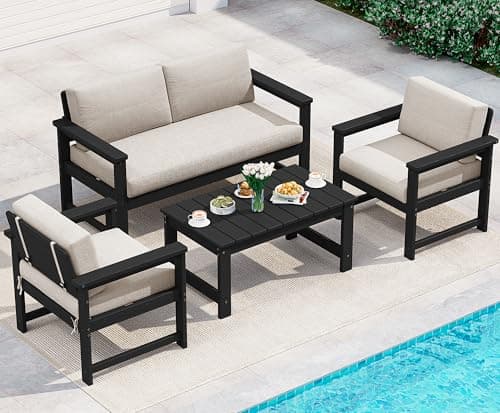
HDPE poly lumber
20 years or more
Practically nothing; scratches are cosmetic
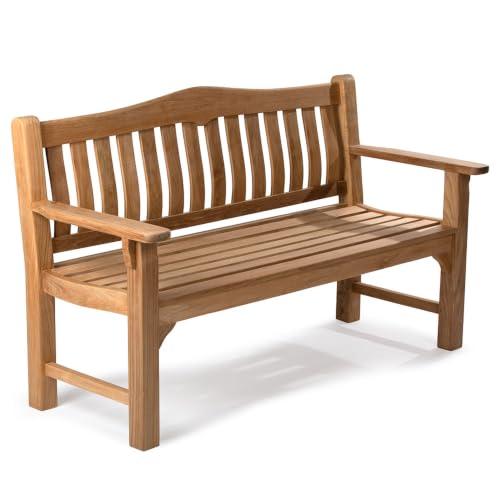
Teak (heartwood)
20+ years
Neglected end grain and trapped debris, not weather
Cast aluminum
15-20 years
Coating wear, then oxidation staining — never structural rust
All-weather HDPE wicker
8-12 years
UV embrittlement of the weave, not the frame
Acacia / eucalyptus
3-7 years
Skipped annual sealing; then checking and soft spots
Powder-coated steel
2-5 years
Rust from the first coating breach
PVC-based resin wicker
2-4 years
Weave goes brittle and snaps
Ranges describe furniture left outdoors year-round in a temperate US climate with routine cleaning. Sources are listed on each material page.
What a warranty is actually telling you
A warranty is the only durability claim a manufacturer is legally exposed on, which makes it the most honest number in any product listing. Read what it covers, not just how long it runs. POLYWOOD's 20-year residential lumber warranty names the specific failures it covers — splintering, cracking, chipping, peeling, rot — which is a much stronger statement than a bare number of years. Sunbrella publishes 5 years on upholstery and sling fabrics and 10 on shade and marine lines, and that difference tells you which fabric is built for constant sun.
Conversely, a one-year limited warranty on a patio set is the manufacturer telling you, in the only language that binds them, how long they expect it to last. Believe them.
Warranty strength and origin turn out to be linked, because the makers that formulate their own lumber are the ones able to warrant it by named failure mode — and nearly all of them are domestic. Our US-made shortlist traces each origin claim to the manufacturer's own page, and names the categories where no US-made option exists at all.
Load is the other durability question with a number attached, and almost nobody prints it. Our heavy-duty shortlist collects every piece in this category that publishes a weight capacity, quotes the figure off the maker's own page, and says plainly which ones name a test standard behind it and which ones publish nothing at all.
And when the question is simply what can be left outside and forgotten about, our all-weather shortlist applies four tests to real products: whether the frame can corrode, whether the color is through the material or on it, what grade the fasteners are, and what the seat does in rain.
Everything in Durability & Lifespan
28 pages. Roundups carry a buy link for the top pick so you do not have to dig for it.