Reference
How long does patio furniture actually last?
Lifespan by material, with every number attributed to a published source rather than asserted.
How this page is funded: Deck & Dusk earns a commission when you buy through the Amazon links below, at no extra cost to you. Commission never decides a ranking — our picks and our criteria are set before any link is added. Read the full disclosure.
Quick picks
If you have read the numbers and want the materials that produce the long end of each range, these are the pieces that do it.
| # | Product | Best for | Score | Price |
|---|---|---|---|---|
| 1 | 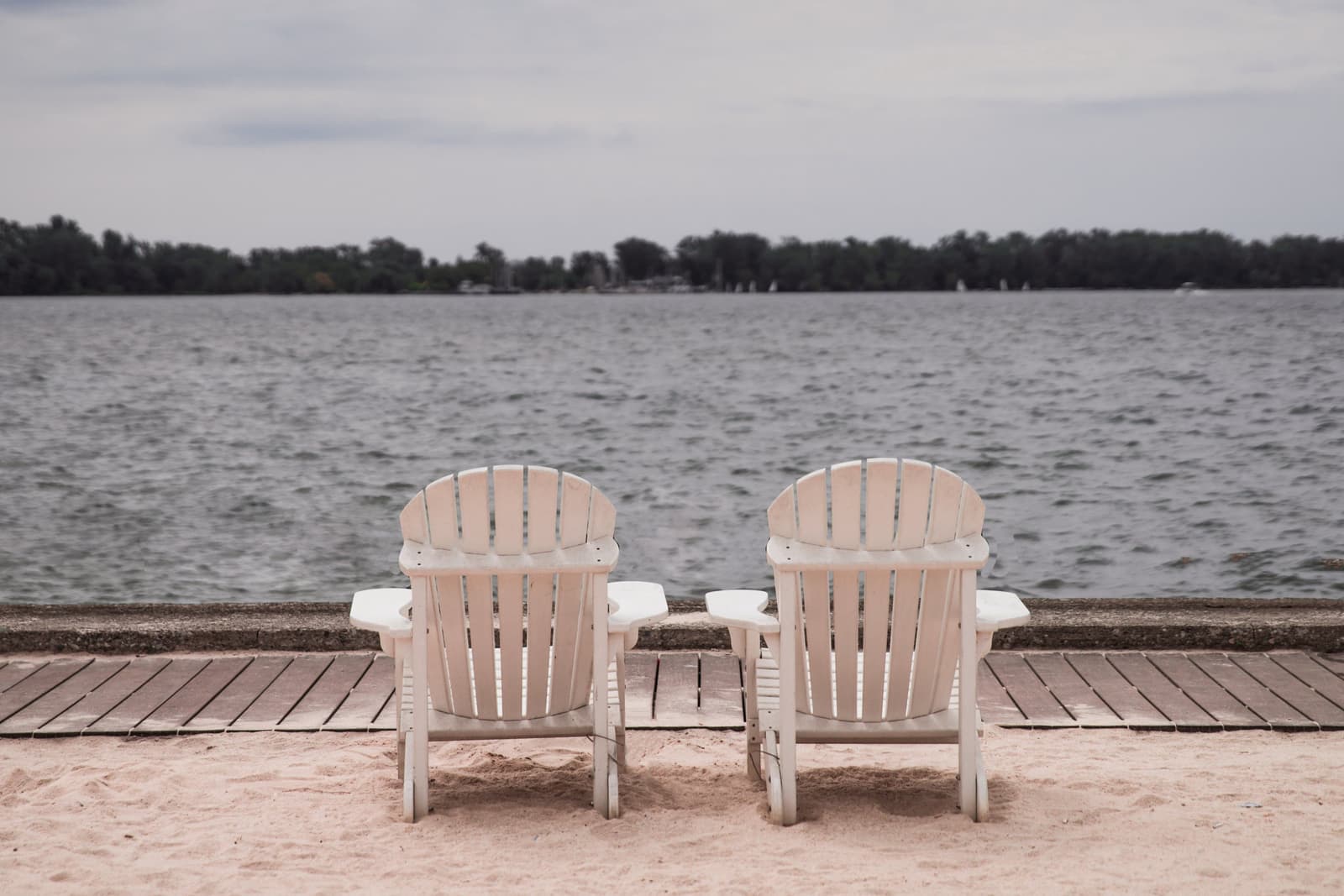 POLYWOOD Classic Adirondack ChairWarranty terms that name the failure modes, not just a duration. | The 20-year end of the range | 9.3 | Check price on Amazon #ad How we earn · Live price at Amazon |
| 2 | 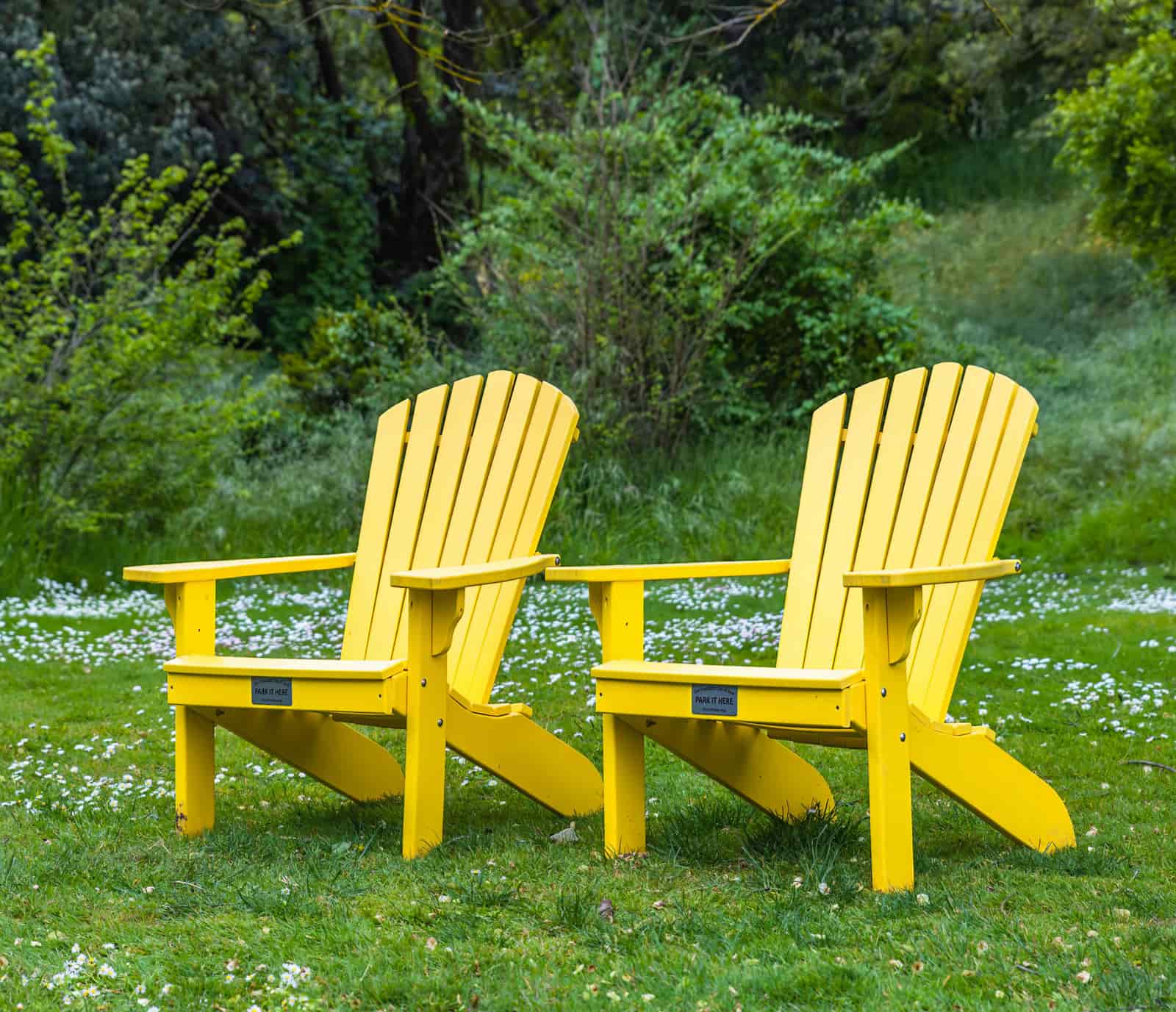 Cambridge Casual Teak Adirondack ChairHeartwood decay resistance without any applied finish. | Wood at the long end | 7.8 | Check price on Amazon #ad How we earn · Live price at Amazon |
| 3 | 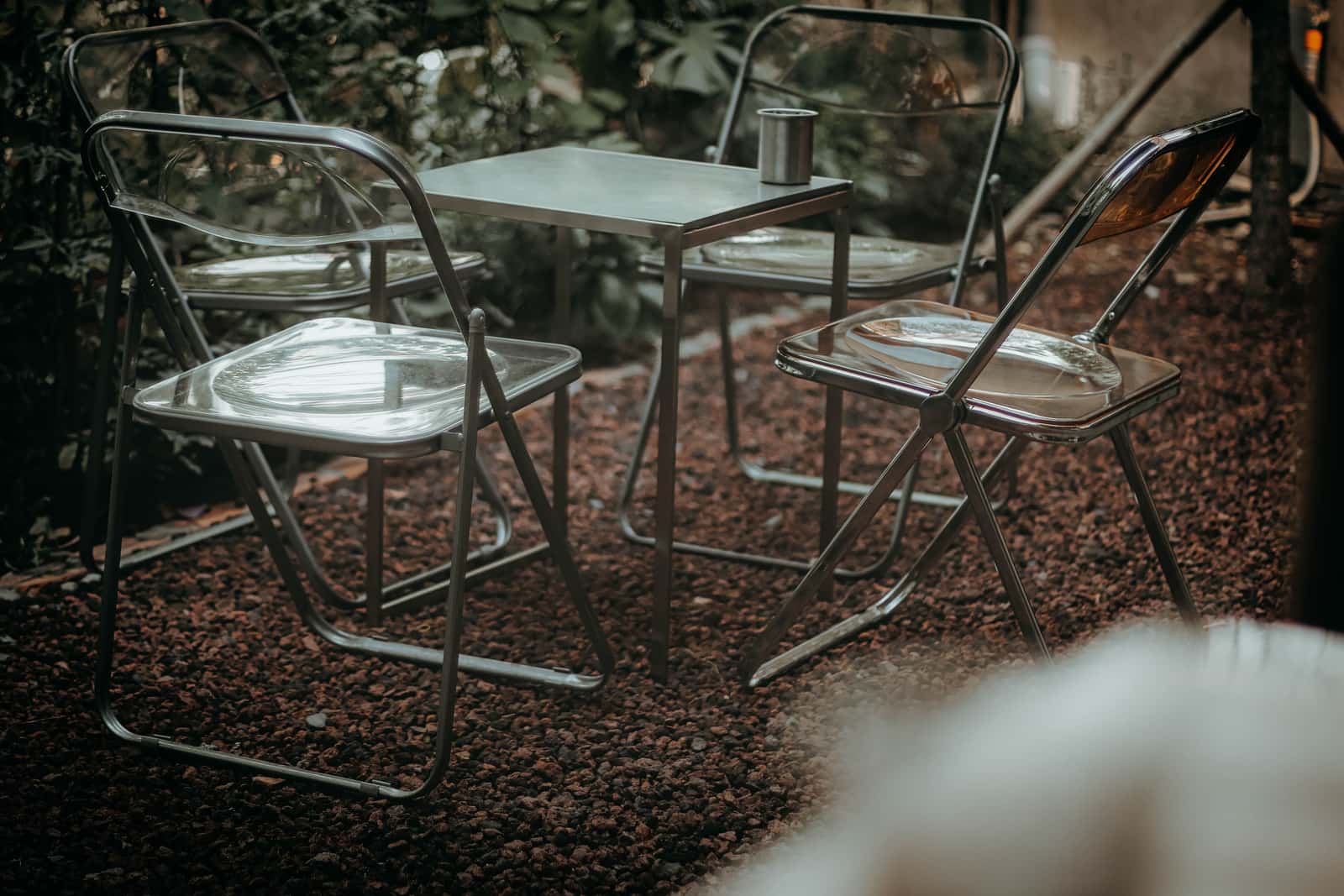 Tangkula 5-Piece Cast Aluminum Outdoor Dining SetOxidation on aluminum is protective, not destructive. | Metal at the long end | 7.5 | Check price on Amazon #ad How we earn · Live price at Amazon |
| 4 | 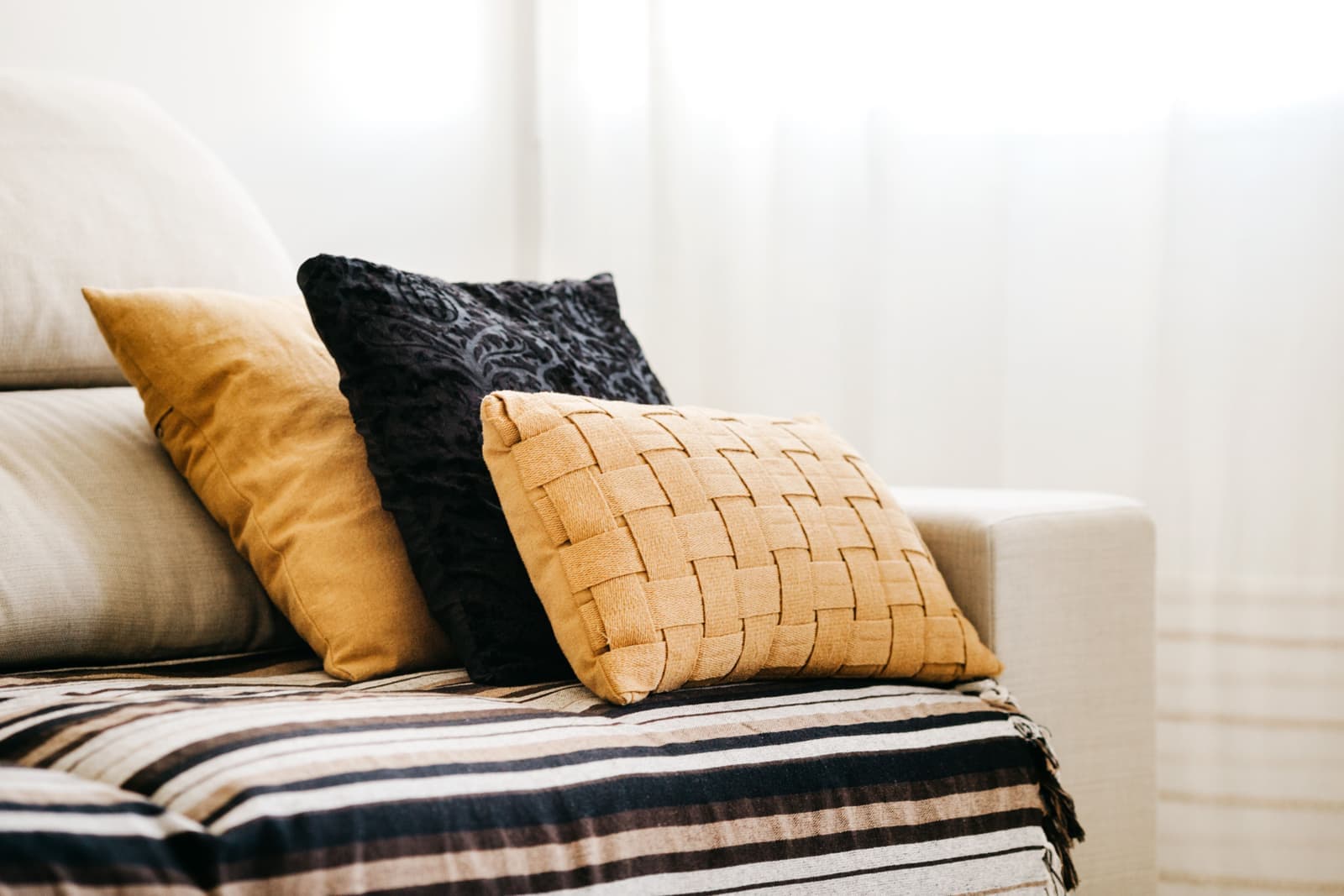 Sunbrella-Fabric Outdoor Replacement CushionsSolution-dyed acrylic with a published multi-year fade warranty. | Fabric at the long end | 8.4 | Check price on Amazon #ad How we earn · Live price at Amazon |
Scores are our own, assessed from published specifications, warranty terms and owner-reported outcomes — not from laboratory testing. Prices are shown live on Amazon; we never print a figure we cannot verify.
Search this question and you will get a dozen confident answers that do not agree with each other and do not cite anything. The ranges are wide, the sources are absent, and the numbers have clearly been copied between sites until nobody can say where they started. This page is our attempt to do the opposite: every figure below is tied to a published warranty, a manufacturer specification, or a peer-reviewed study, and where the evidence is thin we say so instead of inventing precision.
Why published lifespans disagree so much
Three reasons, and understanding them tells you how to read any lifespan claim you encounter.
They measure different things. A warranty period is a legal commitment about specific defects. A "typical lifespan" is usually a guess about when someone gets tired of how it looks. A teak bench can be structurally sound at thirty years and have been replaced at eight because it went gray and the owner preferred it honey-colored. Both statements are true; they are not the same measurement.
Material names cover enormous ranges. "Teak" spans marine-grade heartwood and a plantation-grown chair with substantial sapwood content. The peer-reviewed work on teak found that positions near the pith and in sapwood classified only as resistant, while proper heartwood positions were highly resistant with mass losses below 10%. Two chairs both honestly labeled teak can therefore sit in different durability classes.
Climate is a bigger variable than material for some failures. UV load in Arizona is not UV load in Oregon. Chloride exposure two blocks from the ocean is not chloride exposure inland.
Lifespan by material
Ranges below describe furniture left outdoors year-round in a temperate US climate with routine seasonal cleaning. The "evidence" column is the point: it tells you how much weight the number deserves.
Outdoor service life by material
| Material | Realistic life | Evidence behind the figure | First thing to fail |
|---|---|---|---|
| HDPE poly lumber | 20+ years | POLYWOOD and Trex both publish 20-year residential lumber warranties naming splintering, cracking, chipping, peeling and rot | Surface scratching — cosmetic only |
| Teak (heartwood) | 20+ years | Peer-reviewed study classifies heartwood positions as highly resistant to fungal decay; FPL guidance is that heartwood, not sapwood, carries a species' resistance | Trapped debris in joints and end grain |
| Cast aluminum | 15-20 years | AAMA finish tiers require 5 years (2604) or 10 years (2605) of South Florida weathering; the metal itself does not rust | Powder coat wear, then oxidation staining |
| Solution-dyed acrylic fabric | 8-12 years | Sunbrella publishes 5 years on upholstery and sling lines, 10 years on shade and marine | Stitching and foam, usually before the fabric |
| All-weather HDPE wicker | 8-12 years | No published category standard; assessed from frame material plus weave polymer and owner-reported outcomes | UV embrittlement of the weave strands |
| Acacia / eucalyptus hardwood | 3-7 years | No published warranty norm; range reflects whether annual sealing is actually done | Surface checking, then soft spots at ground contact |
| Powder-coated steel | 2-5 years | Consumer furniture rarely meets any AAMA tier; coating grade almost never stated | Rust from the first coating breach |
| Printed polyester cushions | 2-4 years | Typically 1-year limited warranties; surface-printed dye | Visible fade, then mildew in the fill |
| PVC-based resin wicker | 2-4 years | No published standard; assessed from owner-reported failure pattern | Weave goes chalky and snaps at the corners |
Where a row says a figure has no published standard, that is a statement about the evidence, not a hedge. We would rather show you a weakly evidenced range labeled as such than a precise-looking number we cannot support.
What actually ends a patio set
Corrosion, and why it is a steel problem
Aluminum does not rust. It oxidizes, and aluminum oxide forms a tight adherent layer that protects the metal beneath — the opposite of iron oxide, which flakes and exposes fresh metal to keep the reaction going. This is the single most consequential material fact in outdoor furniture and it is routinely obscured by listings that say only "metal frame."
Fasteners deserve their own attention. Stainless steel is not one thing: 316 contains 2-3% molybdenum which stabilizes the passive layer against chloride attack, while 304 does not and will pit near saltwater or a chlorinated pool. Furniture sold as having "stainless hardware" is usually 304. Within a few thousand feet of the ocean, that distinction shows up in years three to five.
UV, and the surface-versus-through distinction
Everything that fades outdoors fades for the same reason: ultraviolet light breaks chemical bonds in dyes and polymers. What differs is whether the color sits on the surface or runs through the material. Printed fabric and painted finishes lose color from the top down and go visibly patchy. Solution-dyed acrylic and compounded HDPE fade uniformly and very slowly, because every layer is the same color as the one above it.
Joints, glue and the wooden-rocker problem
Wooden outdoor furniture almost never fails because the wood rots through. It fails at the joints, where repeated wet-dry cycling works on the glue line and the wood moves against the fastener. This is why rocking chairs and folding chairs have shorter practical lives than static ones in the same material: they add cyclic load to a joint that is already being worked by moisture.
How much climate changes the answer
| Climate | Dominant stress | Most affected | Least affected |
|---|---|---|---|
| High-UV Southwest | Ultraviolet | Printed fabrics, painted finishes, PVC weave | Teak, HDPE, uncoated aluminum |
| Coastal | Chloride corrosion | Steel frames, 304 fasteners | HDPE, teak, aluminum with 316 hardware |
| Wet Pacific Northwest | Persistent moisture and mildew | Untreated hardwoods, cushion foam | HDPE, aluminum |
| Freeze-thaw Northeast | Water ingress then expansion | Glued joints, glass tops, PVC weave | HDPE, teak, cast aluminum |
| Humid Southeast | Mildew plus UV | Cushions, wicker weave | HDPE, powder-coated aluminum |
The pattern across every row is the same: the materials that do well are the ones with no surface layer and no corrosion path. That is not a coincidence, it is the whole mechanism.
What genuinely extends lifespan
Ranked by how much difference they actually make, which is not the order most advice lists them in:
- Choosing the right material at purchase. Nothing you do afterward comes close. This is why the material pages on this site are longer than the care pages.
- Covering it — with a vented cover, over dry furniture. Done right it adds years. Done wrong it grows mildew and does active harm. Our covers explainer works through when it helps and when it does not.
- Cleaning once a year. The algae film that builds up holds moisture against every surface permanently. One spring pass removes it.
- Treating rust the week you see it. Rust is the one failure mode that accelerates on its own.
- Bringing cushions in. Not the frame — the cushions. They are the shortest-lived component in almost every set.
The picks in full
Each entry states what the product is, how it scores on our five criteria, what it gives up, and how the pick was made.
1. The 20-year end of the range
POLYWOOD Classic Adirondack Chair
POLYWOOD · Score 9.3/10
The reference HDPE Adirondack: color compounded through the lumber, a 20-year residential warranty, and nothing on it to rust or splinter.
Key specifications
- 100% HDPE lumber, color and UV inhibitors compounded through the material
- Marine-grade stainless hardware
- 20-year residential lumber warranty
- Arrives flat-packed; bolt-together assembly
How it scores
- Fade resistance
- 9.5
- Rust and corrosion
- 9.5
- Wind and stability
- 8.5
- Build and hardware
- 9.0
- Warranty strength
- 9.5
What works
- Fade behavior is a material property here, not a surface coat that can wear off
- Warranty language explicitly covers splintering, cracking, chipping, peeling and rot
- Heavy enough to stay put on a gusty evening
- Washes clean with soap and water — no sealing, oiling or refinishing, ever
The trade-offs
- Costs multiples of a big-box resin chair, and the value only shows up over years
- Heavy to move around a deck on your own
- Sanding it voids the warranty, so deep scratches stay
#ad How we earn · Live price at Amazon
Selected on published specification, warranty terms and owner-reported outcomes; not personally tested.
2. Wood at the long end
Cambridge Casual Teak Adirondack Chair
Cambridge Casual · Score 7.8/10
Real teak at an accessible price, which in practice means plantation teak: genuinely weatherproof, with more sapwood than a marine-grade board.
Key specifications
- Plantation-grown teak
- Brass or stainless fasteners depending on model
- Ships partly assembled
- Will silver within roughly a year outdoors unless oiled
How it scores
- Fade resistance
- 7.0
- Rust and corrosion
- 8.5
- Wind and stability
- 8.5
- Build and hardware
- 8.0
- Warranty strength
- 6.0
What works
- Teak heartwood carries its own decay resistance — no coating to fail
- Repairable and sandable, unlike every plastic in this list
- Ages into a gray that many people prefer to the honey color
The trade-offs
- Needs cleaning and optional oiling if you want to keep the color
- Lower grades include sapwood, which is the weak link outdoors
- Heavier and pricier than HDPE for a similar service life
#ad How we earn · Live price at Amazon
Selected on published specification, warranty terms and owner-reported outcomes; not personally tested.
3. Metal at the long end
Tangkula 5-Piece Cast Aluminum Outdoor Dining Set
Tangkula · Score 7.5/10
Cast aluminum is the quiet right answer for a small dining set: it cannot rust, and the weight problem solves itself.
Key specifications
- Cast aluminum frame and chairs
- Powder-coated finish
- Four chairs and a table
- No cushions required
How it scores
- Fade resistance
- 7.5
- Rust and corrosion
- 9.0
- Wind and stability
- 7.5
- Build and hardware
- 7.5
- Warranty strength
- 5.5
What works
- Aluminum does not rust — the single biggest failure mode in metal furniture is gone
- Cast sections are heavy enough to stay put without being immovable
- Powder coat is repairable with touch-up paint
The trade-offs
- The surface gets hot in direct sun
- Powder-coat grade is rarely stated, so coating life is the unknown
- Cast aluminum chips if something hard hits an edge
#ad How we earn · Live price at Amazon
Selected on published specification, warranty terms and owner-reported outcomes; not personally tested.
4. Fabric at the long end
Sunbrella-Fabric Outdoor Replacement Cushions
Sunbrella (various makers) · Score 8.4/10
Solution-dyed acrylic is the only outdoor fabric with a published multi-year fade warranty, and it is why these cost what they cost.
Key specifications
- Solution-dyed acrylic fabric
- Sunbrella publishes 5-year upholstery and sling coverage, 10 years on shade and marine lines
- Sold by many cushion makers rather than one brand
- Quick-dry foam on better lines
How it scores
- Fade resistance
- 9.5
- Rust and corrosion
- 8.0
- Wind and stability
- 6.0
- Build and hardware
- 8.0
- Warranty strength
- 9.0
What works
- Color is in the fiber, not printed on it, so fade happens over years not seasons
- The warranty is published and specific rather than implied
- Cleans with a diluted bleach solution without losing color
The trade-offs
- Two to four times the price of printed polyester cushions
- The fabric warranty covers the fabric, not the foam or the stitching
#ad How we earn · Live price at Amazon
Selected on published specification, warranty terms and owner-reported outcomes; not personally tested.
Common questions
How long should a patio set last?
Does patio furniture last longer if you cover it?
Which lasts longer, teak or POLYWOOD?
Why does my patio furniture look old after two summers?
Is stainless steel hardware enough for coastal patio furniture?
Sources
- POLYWOOD Limited Residential Warranty — POLYWOOD. Checked 2026-09-23.
The 20-year residential lumber warranty terms, including the splinter / crack / chip / peel / rot language and the sanding and painting exclusions.
- Our Materials — POLYWOOD. Checked 2026-09-23.
Manufacturer statement that POLYWOOD lumber is 100% HDPE with UV inhibitors and pigments compounded through the material rather than applied as a surface coat.
- Sunbrella Warranty — Sunbrella (Glen Raven). Checked 2026-09-23.
Published warranty lengths: 5 years on upholstery and sling fabrics, 10 years on shade and marine fabrics, 3.5 years on recycled lines.
- Effect of age on heartwood proportion, color, chemical composition, and biological resistance of teakwood — BioResources (NC State University). Checked 2026-09-23.
Peer-reviewed finding that teak heartwood is highly resistant to fungal attack while positions near pith and sapwood are only resistant — the basis for the Grade A / B / C distinction.
- Wood Handbook, Chapter 14: Biodeterioration of Wood — USDA Forest Products Laboratory. Checked 2026-09-23.
Heartwood decay-resistance categories, and the point that heartwood — not sapwood — carries a species' decay resistance.
- Understanding AAMA 2604 vs. AAMA 2605 — AMICO Architectural Metals. Checked 2026-09-23.
The South Florida natural-weathering requirement behind each tier — 5 years for 2604, 10 years for 2605 — and the 50% vs 70% fluoropolymer resin difference.
- 304 vs 316 Stainless Steel Screws — SFS USA. Checked 2026-09-23.
Why 316 fasteners resist chloride pitting and 304 do not: the 2-3% molybdenum addition that stabilizes the passive layer.
Read next
More from Durability & Lifespan
Lifespan by material, the three failure modes that end most patio sets, and how to read a warranty.