Durability
The easiest patio furniture to clean
Cleaning effort is decided before you buy, by texture and by what the cushion is made of.
How this page is funded: Deck & Dusk earns a commission when you buy through the Amazon links below, at no extra cost to you. Commission never decides a ranking — our picks and our criteria are set before any link is added. Read the full disclosure.
Quick picks
Ranked by how little effort the surface demands over a season: smooth non-porous surfaces first, then fabrics that can be cleaned aggressively without losing color, then the cleaner for everything else.
| # | Product | Best for | Score | Price |
|---|---|---|---|---|
| 1 | 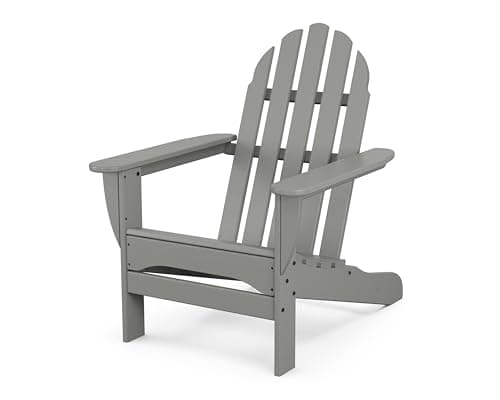 POLYWOOD Classic Adirondack ChairNon-porous, color-through HDPE: soap, water, done - and no coating to strip. | Best overall | 9.3 | $199.00 · View on Amazon #ad How we earn · Price as of November 2, 2026 |
| 2 | 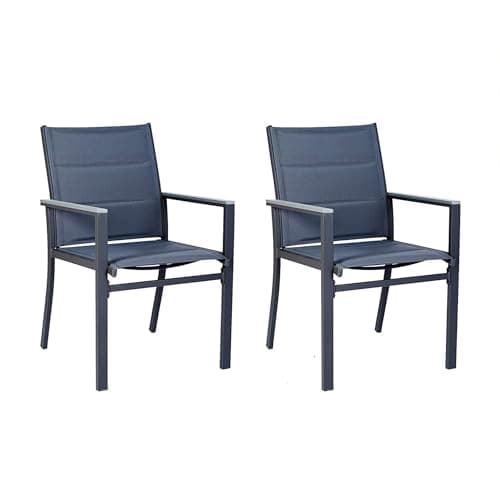 Kozyard Textilene Sling Patio Dining Chairs Set of 2A tensioned sling on tube: dirt sits on the surface and rinses straight off. | Nothing to absorb anything | 6.9 | $129.99 · View on Amazon #ad How we earn · Price as of November 2, 2026 |
| 3 | 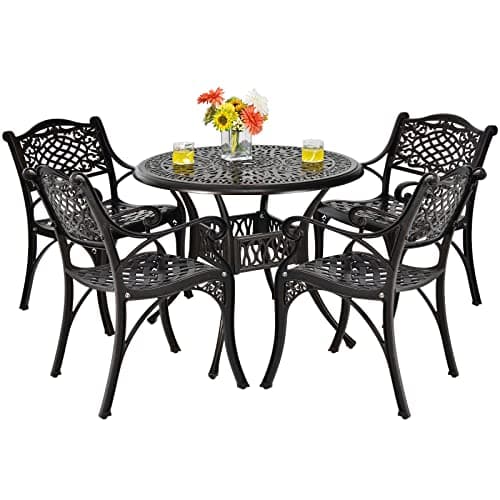 Tangkula 5-Piece Cast Aluminum Outdoor Dining SetA smooth powder-coated surface wipes down - as long as you stay off the abrasives. | Easiest dining set | 7.5 | $529.99 · View on Amazon #ad How we earn · Price as of November 2, 2026 |
| 4 | 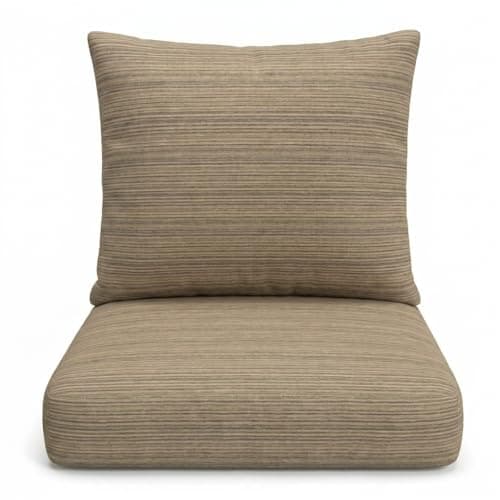 Sunbrella-Fabric Outdoor Replacement CushionsSolution-dyed acrylic holds its color in the fiber, so hard cleaning does not bleach it out. | Cushions that survive cleaning | 8.4 | $161.96 · View on Amazon #ad How we earn · Price as of November 2, 2026 |
| 5 | 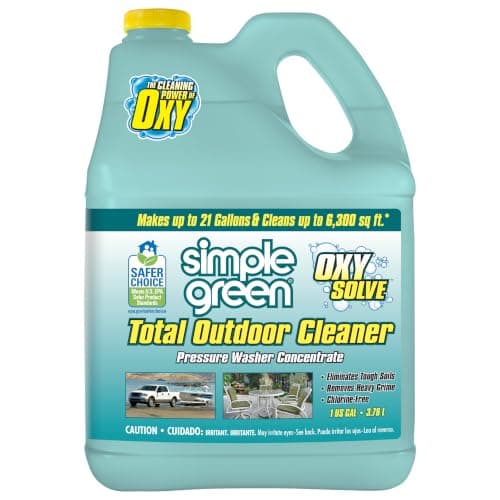 Simple Green Oxy Solve Total Outdoor CleanerOxygenated rather than chlorinated, which is what powder coat and stitching need. | The cleaner for everything else | 6.9 | $23.99 · View on Amazon #ad How we earn · Price as of November 2, 2026 |
Scores are our own, assessed from published specifications, warranty terms and owner-reported outcomes — not from laboratory testing. Prices are shown live on Amazon; we never print a figure we cannot verify.
Nobody searches for easy-to-clean patio furniture before they buy. They search for it in year two, standing over a wicker chair with a toothbrush, having realized that the weave they liked in the showroom has eighty linear feet of crevice in it. Cleaning effort is not a maintenance decision. It is a purchase decision, and it is settled by two things: how porous and textured the surface is, and what the cushion is made of. Everything else - which cleaner, which brush, how often - is downstream of those two.
This page is about which furniture is easy to clean. If you already own something and want the method, that is how to clean patio furniture, and the products are on the outdoor furniture cleaners roundup.
The short answer
HDPE poly lumber is the easiest outdoor furniture to clean, and it is not close. The surface is non-porous, the color and UV inhibitors are compounded through the material rather than applied as a surface coat, and there is no finish to strip. That combination means you cannot damage it by cleaning it too hard, which is the single most useful property a surface can have. Soap, water, a brush for the slat gaps, and it is done.
Second easiest is a sling seat on a tube frame - a tensioned mesh with nothing inside it. Dirt sits on the surface rather than migrating into a filling, and a sling is dry in minutes rather than days. Third is smooth powder-coated aluminum, which wipes clean but has a coating you can ruin with the wrong product. Then, a long way back, everything with a texture or a cushion.
Texture decides everything
Outdoor dirt is mostly three things: airborne grit, pollen, and organic film - the thin biological layer of algae and mildew that grows on anything that stays damp. All three behave the same way: they settle on a surface, and then they work into any geometry that will hold them. A smooth surface sheds all three with water. A textured one holds all three and needs mechanical agitation to release them, which means a brush and time.
Porosity compounds it. A porous surface - unsealed wood, concrete, untreated rattan - absorbs water and holds it, which is exactly the condition organic film needs. So the two properties that decide cleaning effort are, in order:
- Surface texture. Does dirt have anywhere to hide? A woven surface has the largest hidden area per square foot of anything in outdoor furniture.
- Porosity. Does the material take water in? Wood does. HDPE, aluminum and textilene do not.
Note what is not on that list: color. A light surface shows dirt sooner and a dark one shows pollen and hard-water spots sooner, but neither is harder to clean. That is a cosmetic trade, and it is the same reasoning we apply to umbrella color.
Every outdoor surface, ranked by effort
How much work each common outdoor surface actually asks for
| Surface | Routine | Annual work | Why |
|---|---|---|---|
| HDPE poly lumber | Hose, or soap and a brush for slat gaps | None | Non-porous, color-through, no finish to protect or strip |
| Textilene / sling mesh | Hose off, wipe | None | Nothing inside the fabric to absorb; dries in minutes |
| Powder-coated aluminum | Wipe with mild soap | Touch-up paint on chips | Smooth, but the coating is the part you can damage |
| Resin / molded plastic | Hose, soap | UV protectant | Smooth unless textured; molded wood-grain holds dirt in the pattern |
| Solution-dyed acrylic cushions | Brush with mild soap, rinse, air dry | Deep clean | Can be cleaned aggressively without losing color - it is in the fiber |
| Teak and hardwoods | Soap and a soft brush along the grain | Clean, then oil or accept silvering | Porous; grain holds film and the surface needs a decision annually |
| All-weather PE wicker | Brush into the weave, rinse through | Full brush-out | Largest hidden surface area in the category |
| Printed polyester cushions | Spot clean carefully | Usually replacement | Color is on the surface, so hard cleaning takes it off |
Routines are the practical minimum for each surface, not a manufacturer instruction. Follow the maker's care guidance for anything under warranty.
The cushion is the real work
On most patios, 80% of the cleaning effort is in the soft goods, and almost all of it comes down to one distinction: whether the color is in the fiber or on it.
Solution-dyed fabric has pigment added to the liquid acrylic before the fiber is extruded, so the color runs through the strand. There is no surface layer to lose, which is why these fabrics can be scrubbed hard, treated for mildew, and left in full sun for years. Sunbrella publishes a 5-year warranty on its upholstery and sling fabrics and 10 years on its shade and marine lines - a term you can only offer if hard use is survivable.
Piece-dyed or printed polyester has color applied to finished fabric. Any cleaning aggressive enough to remove embedded organic film is also aggressive enough to lift that color, so you are permanently choosing between a dirty cushion and a faded one. That is the whole reason cheap cushion sets get replaced rather than cleaned, and it is the same mechanism as the fade story on fade-resistant patio furniture.
Two more cushion properties matter for effort, both about water rather than color:
- Open-cell or quick-dry fill versus closed upholstery foam. Closed foam holds water for days and grows mildew from the inside, where no cleaner reaches. This is the failure people blame on the fabric.
- Removable covers with zippers. A cover you can take off and wash flat is a different job from scrubbing a sewn-in cushion in place.
The cleanest answer to all of it is to not have cushions. A sling seat or a contoured poly seat removes the entire category of work, which is the case made in full on patio furniture with no cushions. If you do want cushions, the options and the fabric distinctions are on the cushions roundup.
What to look for on a listing
Five things, in the order they affect your Saturday:
- 1. A named non-porous material. HDPE, polypropylene, aluminum, textilene. "Weather-resistant material" is not a material.
- 2. No molded texture on large flat areas. Wood-grain and wicker textures are molded into resin for looks, and they turn a wipe into a brush job. A smooth panel is the easier object even when it is less convincing.
- 3. Slat gaps you can get a brush into. Slatted seats dry fast and shed water, which is good - but narrow gaps collect debris you then cannot reach. Wide gaps are easier than tight ones.
- 4. Removable, zippered, solution-dyed covers if there are cushions at all. All three properties, or treat the cushions as consumables.
- 5. Flat feet and a clear drain path. Furniture that sits in a puddle grows film at the bottom of every leg no matter how smooth it is. The reasoning is on protecting patio furniture from rain.
What a low-effort season looks like
On a correctly chosen set, the whole year is this:
- Spring, once. Mild soap in warm water, soft brush, rinse, let the sun dry it. An oxygenated cleaner rather than a chlorinated one if there is visible film - oxygen bleach lifts organic growth without attacking stitching or powder coat.
- In season, as needed. Hose down after pollen falls or a dust storm. Thirty seconds, no products.
- Fall, once. Same as spring, then store the soft goods dry. Put them away damp and you have undone the whole year - the mechanism is on can patio furniture cushions get wet. A ventilated storage bench or deck box is the right home for them.
That is it. No sealing, no oiling, no refinishing. For comparison, teak on the same patio adds an annual decision - clean and oil to hold the honey color, or clean and accept the silver patina - because the wood is porous and the surface genuinely changes. Teak is rated very durable for decay resistance in the published species data, so this is a cosmetic question rather than a structural one, but it is still an afternoon a year that HDPE does not ask for. The full comparison is on POLYWOOD vs teak.
The two kinds of dirt that are not dirt
Two of the marks people try hardest to scrub off outdoor furniture are not deposits at all, and knowing which is which saves a lot of wasted effort.
Mineral spotting is what a sprinkler or a hard-water hose leaves behind: the water evaporates and the dissolved calcium and magnesium stay as a white ring. It is not organic, so soap does almost nothing to it and a cleaner formulated for mildew does nothing at all. What shifts it is a mild acid - white vinegar diluted in water is the usual domestic answer - followed by a thorough rinse. The surface that suffers most is dark powder-coated aluminum, because the contrast is highest, and the surface that suffers least is light HDPE, where the ring is barely visible. If your furniture sits inside a sprinkler arc, moving it two feet does more than any product will.
Chalking is the other one, and it is not on the surface - it is the surface. UV breaks the polymer chains at the outer layer of resin, vinyl and painted finishes, and the degraded material powders off as a pale bloom that comes away on your hand and then returns. Scrubbing it harder removes more material rather than more dirt. The honest responses are to slow it with an annual UV protectant, to accept it, or to buy a material where the color runs through rather than sitting on top - which is the whole argument for HDPE and for solution-dyed fabric. Restoring a surface that has already gone is covered on how to restore faded patio furniture.
Pollen sits between the two. It is a genuine deposit and it rinses off easily, but it is also slightly sticky, so leaving it through a rain cycle lets it bond into textured surfaces. On smooth furniture a thirty-second hose-down during pollen season is the entire intervention. On a woven set, pollen left for a fortnight becomes part of the weave, which is the same reason wicker loses this comparison everywhere else on the page.
The three textures to avoid
If low cleaning effort is genuinely your priority, these three are the ones that will disappoint you, in order:
- Woven wicker, real or synthetic. A woven surface has more hidden area per square foot than anything else outdoors, and the hidden area is where film grows. PE wicker is a genuinely good outdoor material - we say so on the all-weather wicker page and in is resin wicker durable - but easy to clean is the one claim it cannot make.
- Molded wood-grain and basket textures in resin. These exist to make plastic read as something else, and they transfer the cleaning burden of the material they are imitating onto a material that did not need it.
- Deep-seat cushions with sewn-in covers and closed foam. The worst combination in outdoor furniture: you cannot remove the cover, you cannot dry the fill, and you cannot clean hard enough to help without taking the print off.
One honorable mention: anything with a steel frame under a coating. It is not harder to wipe, but it punishes you for cleaning carelessly, because every scratch through the powder coat becomes a rust site. The mechanism is on rust and weld failures, and it is one more reason aluminum is the forgiving metal - a point we take apart in cast aluminum vs extruded aluminum.
The picks in full
Each entry states what the product is, how it scores on our five criteria, what it gives up, and how the pick was made.
1. Best overall
POLYWOOD Classic Adirondack Chair
POLYWOOD · Score 9.3/10
The reference HDPE Adirondack: color compounded through the lumber, a 20-year residential warranty, and nothing on it to rust or splinter.
Key specifications
- 100% HDPE lumber, color and UV inhibitors compounded through the material
- Marine-grade stainless hardware
- 20-year residential lumber warranty
- Arrives flat-packed; bolt-together assembly
How it scores
- Fade resistance
- 9.5
- Rust and corrosion
- 9.5
- Wind and stability
- 8.5
- Build and hardware
- 9.0
- Warranty strength
- 9.5
What works
- Fade behavior is a material property here, not a surface coat that can wear off
- Warranty language explicitly covers splintering, cracking, chipping, peeling and rot
- Heavy enough to stay put on a gusty evening
- Washes clean with soap and water — no sealing, oiling or refinishing, ever
The trade-offs
- Costs multiples of a big-box resin chair, and the value only shows up over years
- Heavy to move around a deck on your own
- Sanding it voids the warranty, so deep scratches stay
#ad How we earn · Price as of November 2, 2026
Selected on published specification, warranty terms and owner-reported outcomes; not personally tested.
2. Nothing to absorb anything
Kozyard Textilene Sling Patio Dining Chairs Set of 2
Kozyard · Score 6.9/10
A seat with nothing in it to soak up water: an extruded aluminum frame with a tensioned textilene sling, which is the lowest-maintenance way to sit outdoors.
Key specifications
- Extruded aluminum frame, listed as rust-resistant
- Padded textilene sling seat and back
- Listing describes the sling as breathable and quick-drying
- Sold as a pair
How it scores
- Fade resistance
- 6.5
- Rust and corrosion
- 8.5
- Wind and stability
- 6.0
- Build and hardware
- 6.5
- Warranty strength
- 4.5
What works
- No cushion means nothing to bring in, store or replace
- A sling dries in minutes rather than days, so rain is a non-event
- Light enough to move one-handed, which is the point of a tubular frame
- Hoses clean - dirt sits on the surface of the mesh rather than inside a filling
The trade-offs
- A sling is the component that fails: the fabric goes slack and brittle before the frame does
- Light frames move in wind, which is the trade for carrying them easily
- Sling replacement is a specialist job and almost never offered by budget brands
- Less supportive than deep-seat cushions over a long dinner
#ad How we earn · Price as of November 2, 2026
Selected on published specification, warranty terms and owner-reported outcomes; not personally tested.
3. Easiest dining set
Tangkula 5-Piece Cast Aluminum Outdoor Dining Set
Tangkula · Score 7.5/10
Cast aluminum is the quiet right answer for a small dining set: it cannot rust, and the weight problem solves itself.
Key specifications
- Cast aluminum frame and chairs
- Powder-coated finish
- Four chairs and a table
- No cushions required
How it scores
- Fade resistance
- 7.5
- Rust and corrosion
- 9.0
- Wind and stability
- 7.5
- Build and hardware
- 7.5
- Warranty strength
- 5.5
What works
- Aluminum does not rust — the single biggest failure mode in metal furniture is gone
- Cast sections are heavy enough to stay put without being immovable
- Powder coat is repairable with touch-up paint
The trade-offs
- The surface gets hot in direct sun
- Powder-coat grade is rarely stated, so coating life is the unknown
- Cast aluminum chips if something hard hits an edge
#ad How we earn · Price as of November 2, 2026
Selected on published specification, warranty terms and owner-reported outcomes; not personally tested.
4. Cushions that survive cleaning
Sunbrella-Fabric Outdoor Replacement Cushions
Sunbrella (various makers) · Score 8.4/10
Solution-dyed acrylic is the only outdoor fabric with a published multi-year fade warranty, and it is why these cost what they cost.
Key specifications
- Solution-dyed acrylic fabric
- Sunbrella publishes 5-year upholstery and sling coverage, 10 years on shade and marine lines
- Sold by many cushion makers rather than one brand
- Quick-dry foam on better lines
How it scores
- Fade resistance
- 9.5
- Rust and corrosion
- 8.0
- Wind and stability
- 6.0
- Build and hardware
- 8.0
- Warranty strength
- 9.0
What works
- Color is in the fiber, not printed on it, so fade happens over years not seasons
- The warranty is published and specific rather than implied
- Cleans with a diluted bleach solution without losing color
The trade-offs
- Two to four times the price of printed polyester cushions
- The fabric warranty covers the fabric, not the foam or the stitching
#ad How we earn · Price as of November 2, 2026
Selected on published specification, warranty terms and owner-reported outcomes; not personally tested.
5. The cleaner for everything else
Simple Green Oxy Solve Total Outdoor Cleaner
Simple Green · Score 6.9/10
The general-purpose concentrate for the grime and green film that builds up on everything outdoors.
Key specifications
- Oxygenated concentrate
- Works with a pressure washer or a bucket
- For composite, wood, vinyl and painted surfaces
- Dilutes to a large working volume
How it scores
- Fade resistance
- 7.0
- Rust and corrosion
- 7.5
- Wind and stability
- 6.0
- Build and hardware
- 7.0
- Warranty strength
- 5.0
What works
- One product covers deck, furniture and cushion fabric
- Concentrate makes it cheap per use
- Oxygen bleaching lifts algae film without chlorine bleach
The trade-offs
- Not a teak brightener — gray teak needs a dedicated two-step product
- Rinse thoroughly or residue leaves a film
#ad How we earn · Price as of November 2, 2026
Selected on published specification, warranty terms and owner-reported outcomes; not personally tested.
Common questions
What is the easiest patio furniture to keep clean?
Is wicker patio furniture hard to clean?
Can you pressure wash patio furniture?
What outdoor fabric is easiest to clean?
Does easy to clean mean low maintenance?
How do I stop patio furniture getting dirty in the first place?
Sources
- Our Materials — POLYWOOD. Checked 2026-09-23.
Manufacturer statement that POLYWOOD lumber is 100% HDPE with UV inhibitors and pigments compounded through the material rather than applied as a surface coat.
- POLYWOOD Limited Residential Warranty — POLYWOOD. Checked 2026-09-23.
The 20-year residential lumber warranty terms, including the splinter / crack / chip / peel / rot language and the sanding and painting exclusions.
- Sunbrella Warranty — Sunbrella (Glen Raven). Checked 2026-09-23.
Published warranty lengths: 5 years on upholstery and sling fabrics, 10 years on shade and marine fabrics, 3.5 years on recycled lines.
- AAMA Paint Specifications — Linetec. Checked 2026-09-23.
The AAMA 2603 / 2604 / 2605 architectural finish tiers used as the yardstick for what a powder coat on aluminum is actually rated to do.
- Teak (Tectona grandis) — The Wood Database. Checked 2026-10-15.
Janka hardness of 1,070 lbf for teak against its rot-resistance rating of 'very durable' — the pairing that shows hardness and decay resistance are independent properties.
Read next
More from Durability & Lifespan
Lifespan by material, the three failure modes that end most patio sets, and how to read a warranty.