Comparison
POLYWOOD vs teak
Both realistically clear twenty years. The decision is about maintenance and how you want it to look.
How this page is funded: Deck & Dusk earns a commission when you buy through the Amazon links below, at no extra cost to you. Commission never decides a ranking — our picks and our criteria are set before any link is added. Read the full disclosure.
Quick picks
One representative pick from each side, plus what each one needs from you.
| # | Product | Best for | Score | Price |
|---|---|---|---|---|
| 1 | 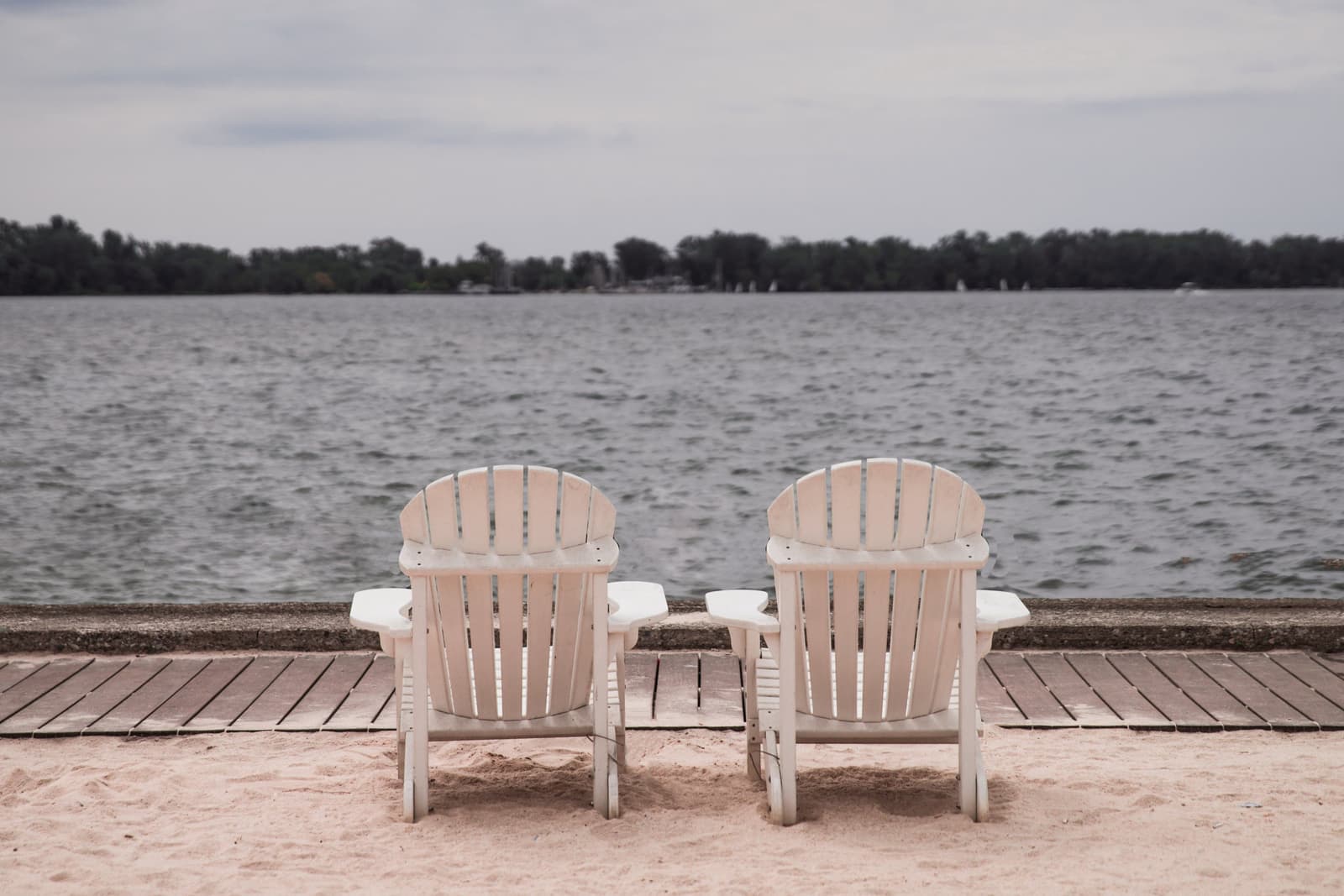 POLYWOOD Classic Adirondack Chair20-year warranty, nothing to do, ever. | Zero maintenance | 9.3 | Check price on Amazon #ad How we earn · Live price at Amazon |
| 2 | 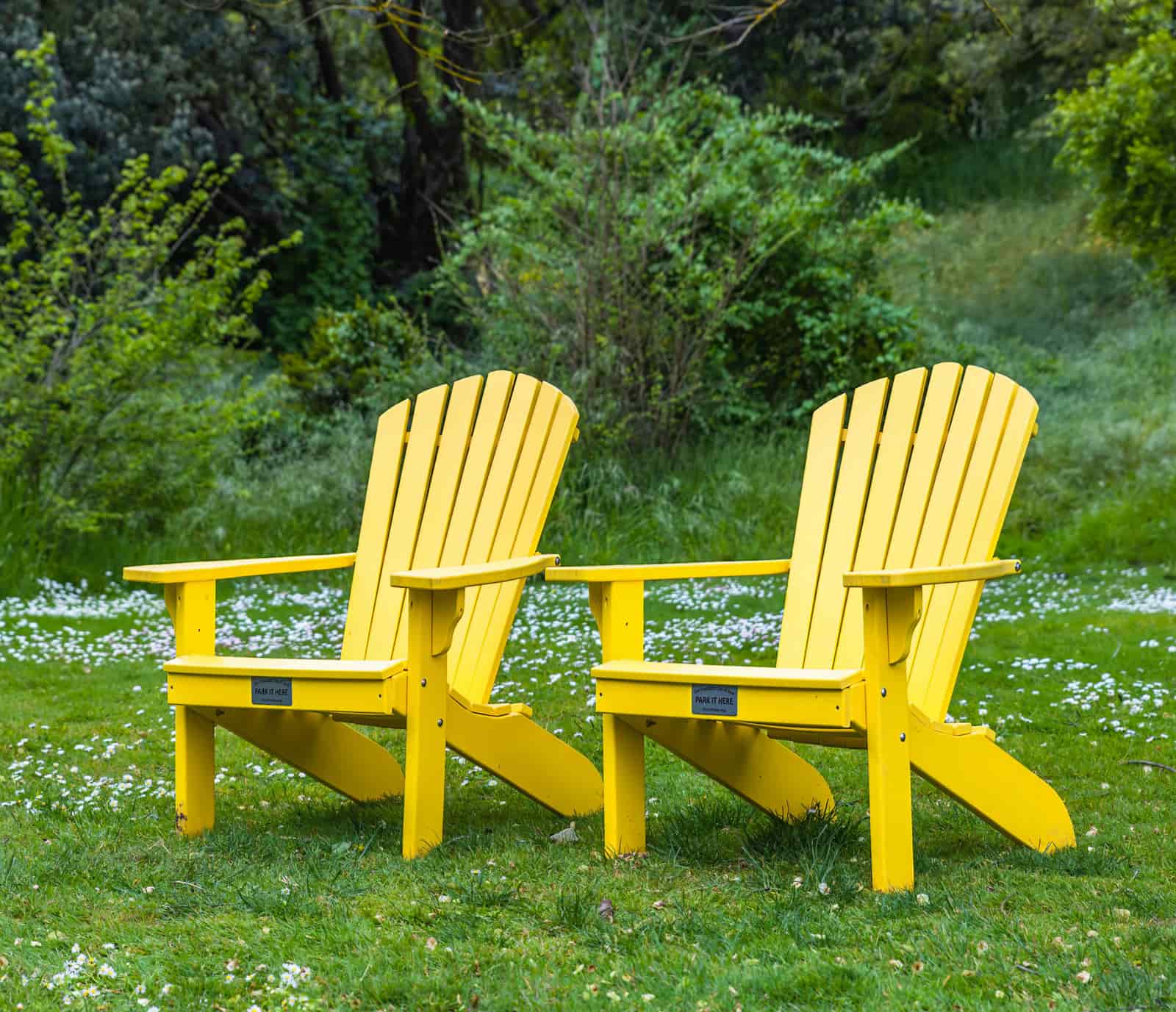 Cambridge Casual Teak Adirondack ChairReal wood that needs no finish to survive — only to stay honey-colored. | Natural grain | 7.8 | Check price on Amazon #ad How we earn · Live price at Amazon |
| 3 | 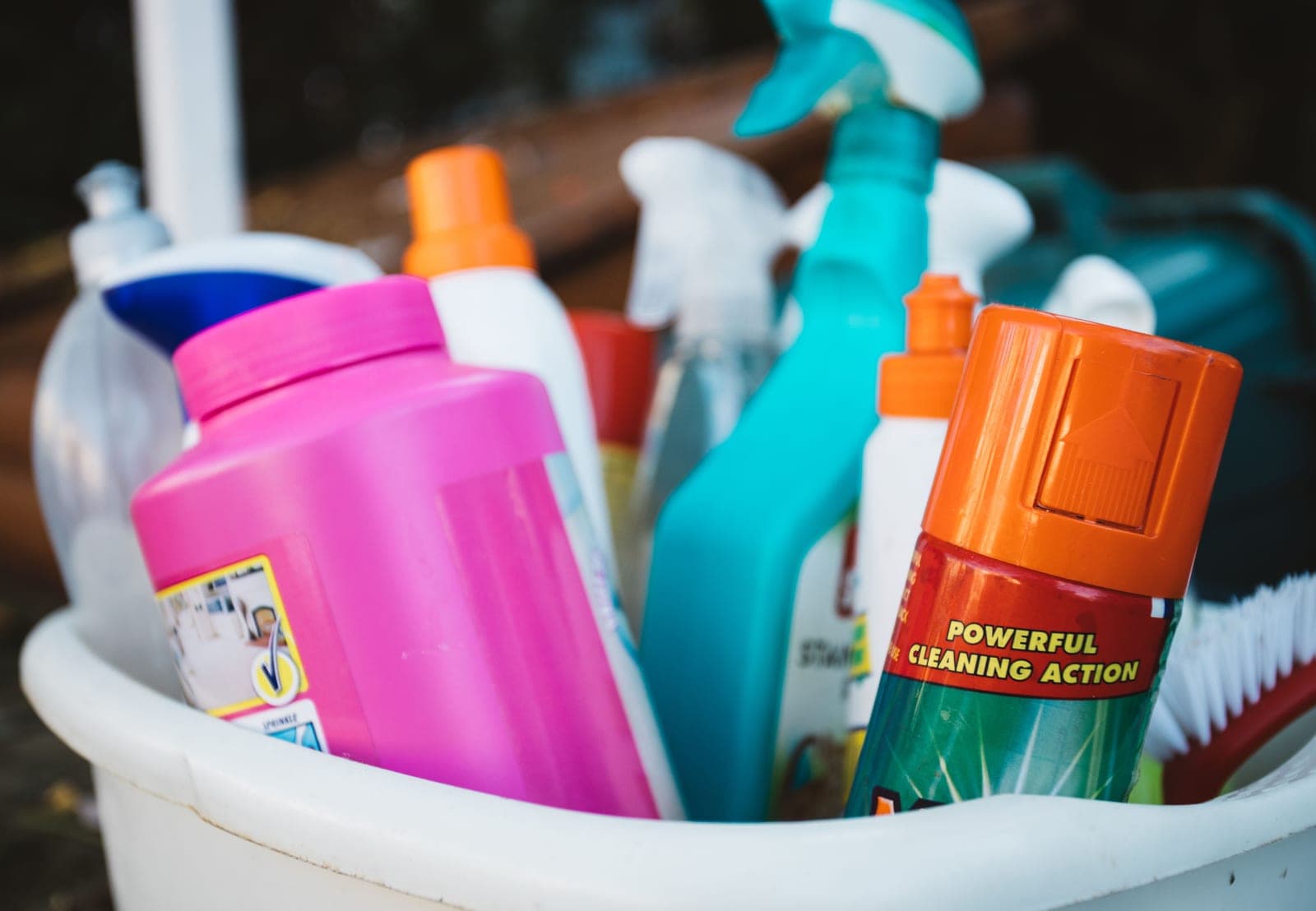 Star brite Premium Outdoor Teak CleanerThe annual job POLYWOOD does not have. | Keeping teak the color you bought | 7.5 | Check price on Amazon #ad How we earn · Live price at Amazon |
Scores are our own, assessed from published specifications, warranty terms and owner-reported outcomes — not from laboratory testing. Prices are shown live on Amazon; we never print a figure we cannot verify.
The short verdict
On lifespan, this comparison is close to a tie. POLYWOOD's HDPE lumber carries a 20-year residential warranty naming splintering, cracking, chipping, peeling and rot. Good teak heartwood is highly resistant to fungal decay and routinely lasts as long or longer. Neither is going to be the thing that fails on your patio.
So the decision is not "which lasts longer." It is: do you want a material that never asks anything of you, or a natural one that will ask for an afternoon a year if you want it to keep its color?
Head to head
| POLYWOOD (HDPE lumber) | Teak (heartwood) | |
|---|---|---|
| Realistic lifespan | 20+ years | 20+ years |
| Warranty | 20-year residential, names specific failure modes | Varies by seller; typically 1-2 years |
| Maintenance to stay as sold | None | Clean and oil annually |
| Maintenance if you accept patina | None | Brush debris from joints twice a year |
| Appearance | Reads as painted wood; wide color range | Natural grain; honey-brown to silver-gray |
| Weight | Heavy | Heavy |
| Repairability | Scratches are permanent; sanding voids warranty | Sandable and repairable |
| Winter | Leave out uncovered | Leave out uncovered |
| Sustainability | Usually recycled HDPE feedstock | Look for FSC or equivalent chain of custody |
| Color options | Many | One, changing over time |
Maintenance is the real difference
The honest framing: POLYWOOD has no maintenance schedule at all. Teak has an optional one that exists purely to control color.
If you oil teak, expect to clean and re-oil roughly annually — an afternoon for a set of chairs, longer for a dining set. Oil weathers off; that is not a defect, it is what a surface finish does outdoors.
If you do not oil it, teak goes silver within about a year and then stays silver. It is structurally identical either way: the graying is a 0.1mm surface effect with no consequence for strength or decay resistance.
POLYWOOD's equivalent job is a hose and some soapy water when it looks dirty, which is not really a schedule.
How to choose
Choose POLYWOOD if
- You want a specific color, and you want it to stay that color.
- You do not want any annual task, even an optional one.
- The furniture is poolside — chlorine is irrelevant to HDPE.
- You want the strongest written warranty available in outdoor furniture.
- You want a matched set in a color that coordinates with something.
Choose teak if
- Natural grain matters to you. Nothing synthetic reproduces it.
- You like the silver patina, or you are happy to oil it.
- You want something repairable — teak can be sanded and refinished indefinitely.
- You want furniture that will look good in a planted garden rather than on a deck.
- You want a piece that could plausibly be inherited.
One caveat on the teak side: everything above assumes real heartwood content. A bargain-priced teak chair with substantial sapwood is a different and much shorter-lived product, and grade is the thing to check. If the budget is tight enough that only low-grade teak is in reach, HDPE is the better buy — and acacia is not the answer either.
The picks in full
Each entry states what the product is, how it scores on our five criteria, what it gives up, and how the pick was made.
1. Zero maintenance
POLYWOOD Classic Adirondack Chair
POLYWOOD · Score 9.3/10
The reference HDPE Adirondack: color compounded through the lumber, a 20-year residential warranty, and nothing on it to rust or splinter.
Key specifications
- 100% HDPE lumber, color and UV inhibitors compounded through the material
- Marine-grade stainless hardware
- 20-year residential lumber warranty
- Arrives flat-packed; bolt-together assembly
How it scores
- Fade resistance
- 9.5
- Rust and corrosion
- 9.5
- Wind and stability
- 8.5
- Build and hardware
- 9.0
- Warranty strength
- 9.5
What works
- Fade behavior is a material property here, not a surface coat that can wear off
- Warranty language explicitly covers splintering, cracking, chipping, peeling and rot
- Heavy enough to stay put on a gusty evening
- Washes clean with soap and water — no sealing, oiling or refinishing, ever
The trade-offs
- Costs multiples of a big-box resin chair, and the value only shows up over years
- Heavy to move around a deck on your own
- Sanding it voids the warranty, so deep scratches stay
#ad How we earn · Live price at Amazon
Selected on published specification, warranty terms and owner-reported outcomes; not personally tested.
2. Natural grain
Cambridge Casual Teak Adirondack Chair
Cambridge Casual · Score 7.8/10
Real teak at an accessible price, which in practice means plantation teak: genuinely weatherproof, with more sapwood than a marine-grade board.
Key specifications
- Plantation-grown teak
- Brass or stainless fasteners depending on model
- Ships partly assembled
- Will silver within roughly a year outdoors unless oiled
How it scores
- Fade resistance
- 7.0
- Rust and corrosion
- 8.5
- Wind and stability
- 8.5
- Build and hardware
- 8.0
- Warranty strength
- 6.0
What works
- Teak heartwood carries its own decay resistance — no coating to fail
- Repairable and sandable, unlike every plastic in this list
- Ages into a gray that many people prefer to the honey color
The trade-offs
- Needs cleaning and optional oiling if you want to keep the color
- Lower grades include sapwood, which is the weak link outdoors
- Heavier and pricier than HDPE for a similar service life
#ad How we earn · Live price at Amazon
Selected on published specification, warranty terms and owner-reported outcomes; not personally tested.
3. Keeping teak the color you bought
Star brite Premium Outdoor Teak Cleaner
Star brite · Score 7.5/10
The two-step teak cleaner that brings gray wood back without the aggressive sanding that thins a board every time.
Key specifications
- Two-part cleaner and brightener system
- Formulated for weathered gray or blackened teak
- Applied to dry wood, worked in for a few minutes, rinsed
- Compatible with teak oil and sealer afterward
How it scores
- Fade resistance
- 7.5
- Rust and corrosion
- 8.0
- Wind and stability
- 7.0
- Build and hardware
- 8.0
- Warranty strength
- 5.0
What works
- Chemical cleaning removes far less material than sanding does
- Works on the gray and black staining that soap alone will not shift
The trade-offs
- The two-step process takes an afternoon on a full set
- Needs rinsing away from planting — it is a cleaner, not a soap
#ad How we earn · Live price at Amazon
Selected on published specification, warranty terms and owner-reported outcomes; not personally tested.
Common questions
Which lasts longer, POLYWOOD or teak?
Is POLYWOOD cheaper than teak?
Does teak require more maintenance than POLYWOOD?
Which looks better, teak or POLYWOOD?
Sources
- POLYWOOD Limited Residential Warranty — POLYWOOD. Checked 2026-09-23.
The 20-year residential lumber warranty terms, including the splinter / crack / chip / peel / rot language and the sanding and painting exclusions.
- Our Materials — POLYWOOD. Checked 2026-09-23.
Manufacturer statement that POLYWOOD lumber is 100% HDPE with UV inhibitors and pigments compounded through the material rather than applied as a surface coat.
- Effect of age on heartwood proportion, color, chemical composition, and biological resistance of teakwood — BioResources (NC State University). Checked 2026-09-23.
Peer-reviewed finding that teak heartwood is highly resistant to fungal attack while positions near pith and sapwood are only resistant — the basis for the Grade A / B / C distinction.
Read next
More from Materials
Five materials, five very different outcomes after five summers. Start here if you are choosing.