Guide
Do patio furniture covers actually work?
Yes, no, and sometimes actively harmful — it depends entirely on what is underneath.
How this page is funded: Deck & Dusk earns a commission when you buy through the Amazon links below, at no extra cost to you. Commission never decides a ranking — our picks and our criteria are set before any link is added. Read the full disclosure.
Quick picks
If your material is in the 'worth it' column, these are the covers to buy.
| # | Product | Best for | Score | Price |
|---|---|---|---|---|
| 1 | 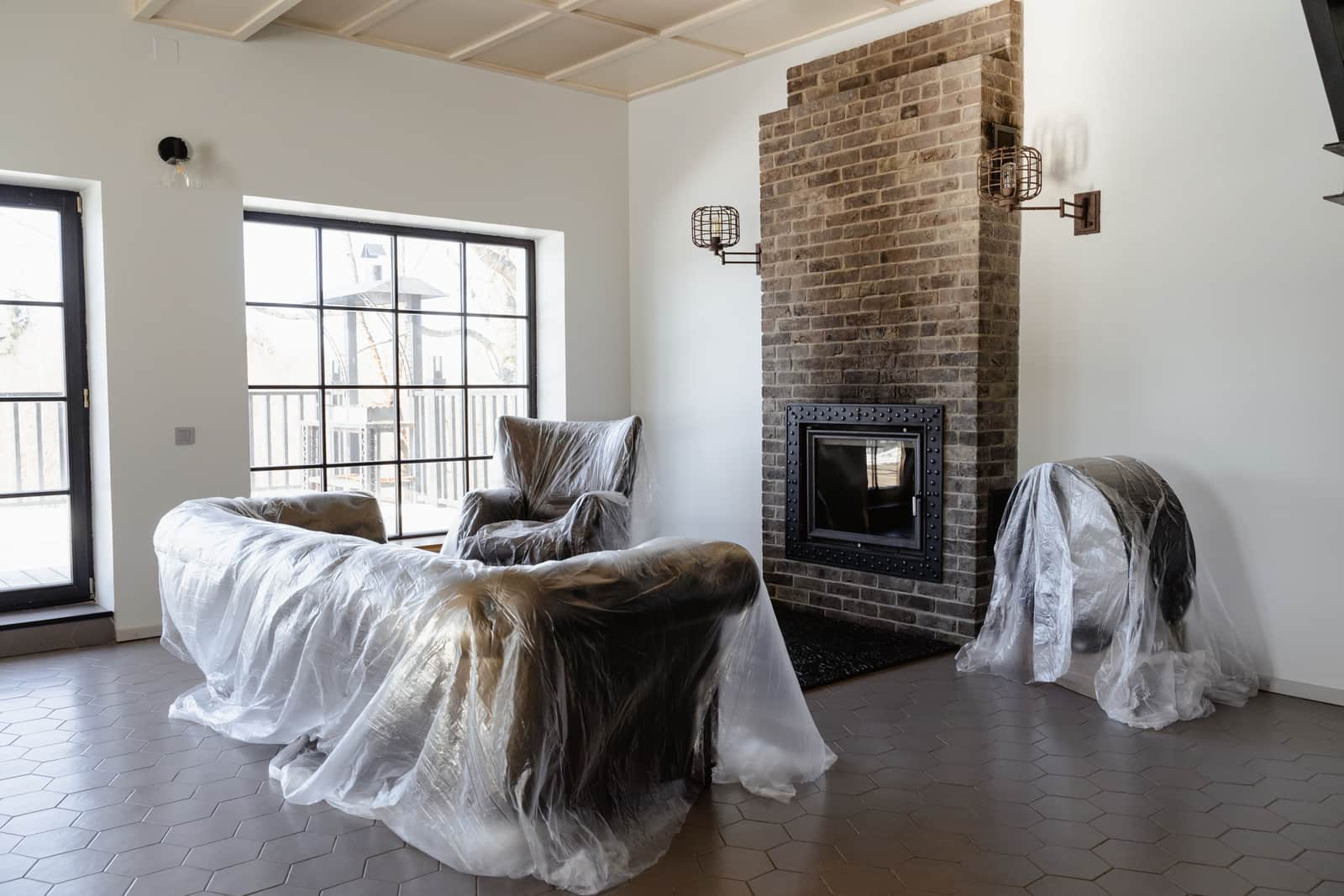 Classic Accessories Ravenna Patio Furniture CoverVented, strapped and structured — the design that actually helps. | Steel and wood frames | 8.1 | Check price on Amazon #ad How we earn · Live price at Amazon |
| 2 | Duck Covers Weekend Patio Furniture CoverCheapest way to cover a whole patio correctly. | Covering several pieces | 6.8 | Check price on Amazon #ad How we earn · Live price at Amazon |
| 3 | Vailge Heavy-Duty Patio Sofa CoverSealed and vented, for winters that are months of rain. | Very wet climates | 7.7 | Check price on Amazon #ad How we earn · Live price at Amazon |
Scores are our own, assessed from published specifications, warranty terms and owner-reported outcomes — not from laboratory testing. Prices are shown live on Amazon; we never print a figure we cannot verify.
What a cover actually does
A cover does four things, and they are worth separating because different materials benefit from different ones.
- Keeps rain off. Matters most for anything that absorbs water — wood, cushion foam — and for anything with a coating breach where water sitting in the breach drives corrosion.
- Blocks UV. Matters most for fabric, printed surfaces and PVC-based wicker weave. This is the benefit people least expect and it is substantial: an uncovered cushion gets hundreds of hours of UV a season that a covered one does not.
- Keeps debris off. Leaf litter and pollen are what mildew grows on. Less organic matter on the furniture means less mildew, independent of moisture.
- Stops grit abrasion. Wind-blown grit sitting on a weave or a painted surface abrades it every time something moves against it.
Is it worth it for your furniture?
| Material | Worth covering? | Why |
|---|---|---|
| HDPE poly lumber | No, genuinely not needed | Absorbs no water, cannot rust, no finish to protect. Its 20-year warranty assumes outdoor use |
| Teak | Optional | Weather does not harm it. A cover mainly keeps debris out of joints, which a brush also does |
| Cast aluminum | Mild benefit | Cannot rust; the cover protects the powder coat from grit and UV |
| All-weather wicker | Yes, clearly | UV is what embrittles the weave, and a cover removes most of it |
| Powder-coated steel | Yes, strongly | Winter is months of continuous moisture on every coating breach |
| Acacia and other sealed hardwood | Yes | Water entering the grain then freezing is what opens checks into splits |
| Cushions | No — bring them indoors | A cover is a humid unventilated space for months. Storage, not covering |
So the short answer: covers matter enormously for steel, wood and wicker, mildly for aluminum, and not at all for poly lumber. If you bought HDPE specifically so you would never have to think about this, that instinct was correct.
When covers do harm
Three scenarios, all common, all avoidable:
- Unvented cover over damp furniture. The classic. Moisture cannot escape, still humid air sits against the furniture for months, and you uncover mildew. This is why venting is the feature to buy on.
- Loose cover flapping in wind. The fabric abrades whatever it touches, every windy day, all winter. A loose cover on a painted surface will visibly dull it.
- Pooled water freezing on top. A flat cover collects water; water freezes; you now have a block of ice resting on your furniture, and the fabric has been stretched permanently.
Better than a cover
Ranked by effect, and the first two beat a cover for most furniture:
- Get it off standing water. Blocks, slabs, pads — anything that breaks the contact between feet and puddles. This addresses the failure mode a cover cannot touch.
- Bring the soft goods in. Cushions and umbrella canopies indoors protects most of the vulnerable value on a patio at zero cost.
- Move it under shelter. A porch, a carport, against a wall under an eave. Partial shelter plus airflow beats a cover.
- Then cover it, if the material is in the "yes" column above.
The complete seasonal sequence is on our winter guide.
The picks in full
Each entry states what the product is, how it scores on our five criteria, what it gives up, and how the pick was made.
1. Steel and wood frames
Classic Accessories Ravenna Patio Furniture Cover
Classic Accessories · Score 8.1/10
The cover that does the two things cheap covers skip: it vents, and it has enough structure to shed water instead of pooling it.
Key specifications
- Woven polyester fabric with a water-resistant backing
- Air vents to reduce condensation
- Elastic hem with click-close straps
- Padded handles for fitting and removal
How it scores
- Fade resistance
- 7.5
- Rust and corrosion
- 9.0
- Wind and stability
- 8.0
- Build and hardware
- 8.5
- Warranty strength
- 7.0
What works
- Vents matter more than waterproofing — a sealed cover traps moisture and grows mildew
- Straps stop the cover becoming a sail in the first storm
- Size ranges actually fit real furniture dimensions
The trade-offs
- Costs several times a generic cover
- Still needs the furniture dry before you cover it
#ad How we earn · Live price at Amazon
Selected on published specification, warranty terms and owner-reported outcomes; not personally tested.
2. Covering several pieces
Duck Covers Weekend Patio Furniture Cover
Duck Covers · Score 6.8/10
The value end of the vented-cover market: right design, lighter materials, priced for people covering several pieces at once.
Key specifications
- Water-resistant polyester
- Integrated air vents
- Elastic hem with a drawstring or strap closure
- Large size range
How it scores
- Fade resistance
- 6.0
- Rust and corrosion
- 8.5
- Wind and stability
- 6.5
- Build and hardware
- 6.5
- Warranty strength
- 5.5
What works
- Cheapest way to cover several pieces correctly
- Keeps the vents
The trade-offs
- Light fabric wears through at sharp corners
- Fewer tie-downs than heavy covers
#ad How we earn · Live price at Amazon
Selected on published specification, warranty terms and owner-reported outcomes; not personally tested.
3. Very wet climates
Vailge Heavy-Duty Patio Sofa Cover
Vailge · Score 7.7/10
Genuinely waterproof rather than water-resistant, because of a PVC coating — which is also its main trade-off.
Key specifications
- 600D polyester with a PVC coating
- Fully waterproof rather than water-resistant
- Air vents and tie-down straps
- Wide size range
How it scores
- Fade resistance
- 7.0
- Rust and corrosion
- 9.0
- Wind and stability
- 8.0
- Build and hardware
- 8.0
- Warranty strength
- 6.0
What works
- Keeps water out completely, which matters in a wet winter climate
- Heavy fabric resists tearing at corners
The trade-offs
- A fully sealed cover traps any moisture already underneath — dry the furniture first
- The PVC coating stiffens in freezing weather and can crack if handled cold
#ad How we earn · Live price at Amazon
Selected on published specification, warranty terms and owner-reported outcomes; not personally tested.
Common questions
Are patio furniture covers worth it?
Can a patio furniture cover cause damage?
Do I need to cover poly lumber furniture?
What is better than covering patio furniture?
Sources
- POLYWOOD Limited Residential Warranty — POLYWOOD. Checked 2026-09-23.
The 20-year residential lumber warranty terms, including the splinter / crack / chip / peel / rot language and the sanding and painting exclusions.
- 304 vs 316 Stainless Steel Screws — SFS USA. Checked 2026-09-23.
Why 316 fasteners resist chloride pitting and 304 do not: the 2-3% molybdenum addition that stabilizes the passive layer.
Read next
More from Covers & Care
Covers that vent, cushions that hold color, and the four maintenance jobs worth doing.