Material
Aluminum patio furniture
The metal that cannot rust — and the two specifications that decide whether it lasts.
How this page is funded: Deck & Dusk earns a commission when you buy through the Amazon links below, at no extra cost to you. Commission never decides a ranking — our picks and our criteria are set before any link is added. Read the full disclosure.
Quick picks
Aluminum done properly means cast sections and a coating you can at least ask about. These are the picks.
| # | Product | Best for | Score | Price |
|---|---|---|---|---|
| 1 | 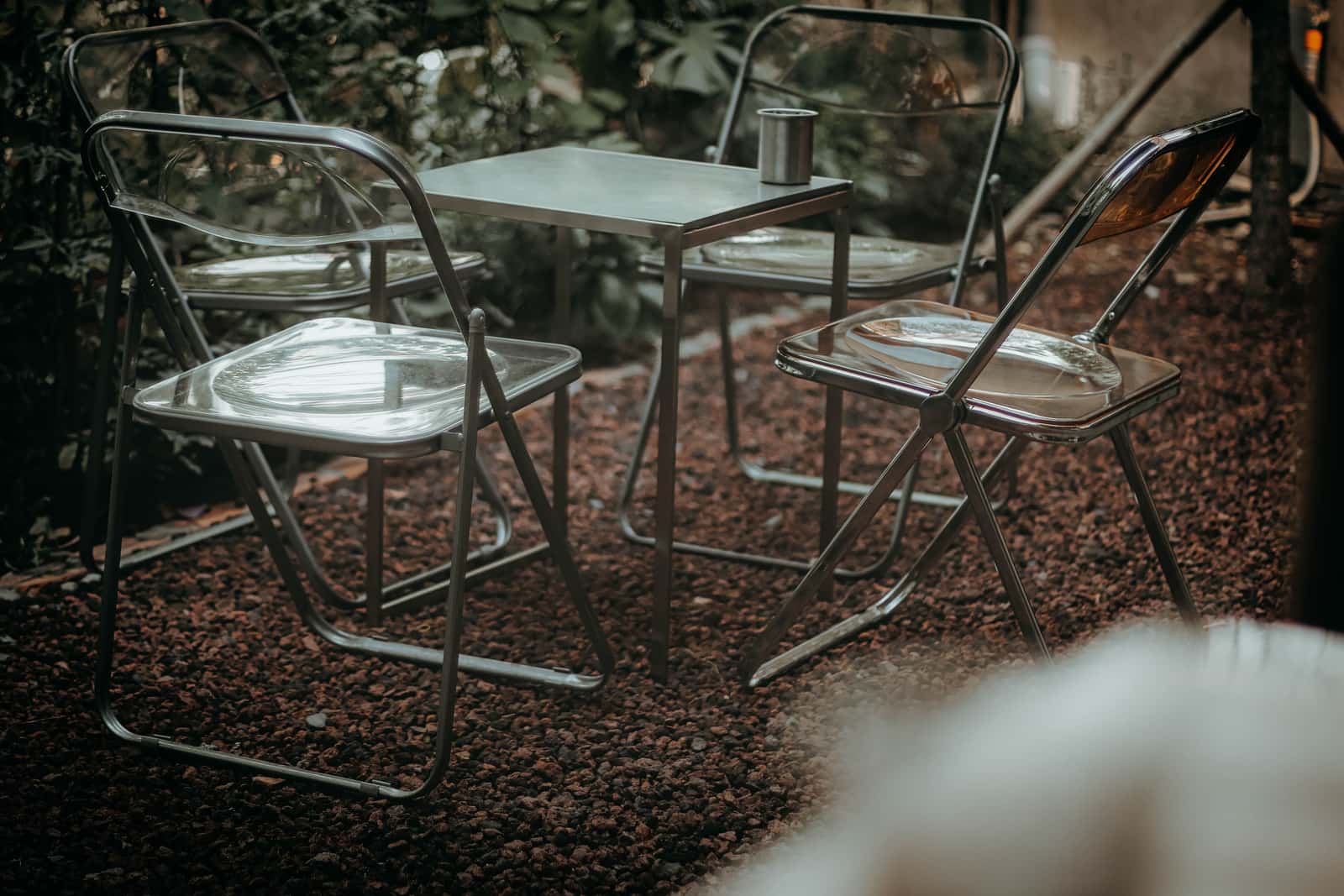 Tangkula 5-Piece Cast Aluminum Outdoor Dining SetHeavy enough to stay put, incapable of rusting. | Cast aluminum dining | 7.5 | Check price on Amazon #ad How we earn · Live price at Amazon |
| 2 | 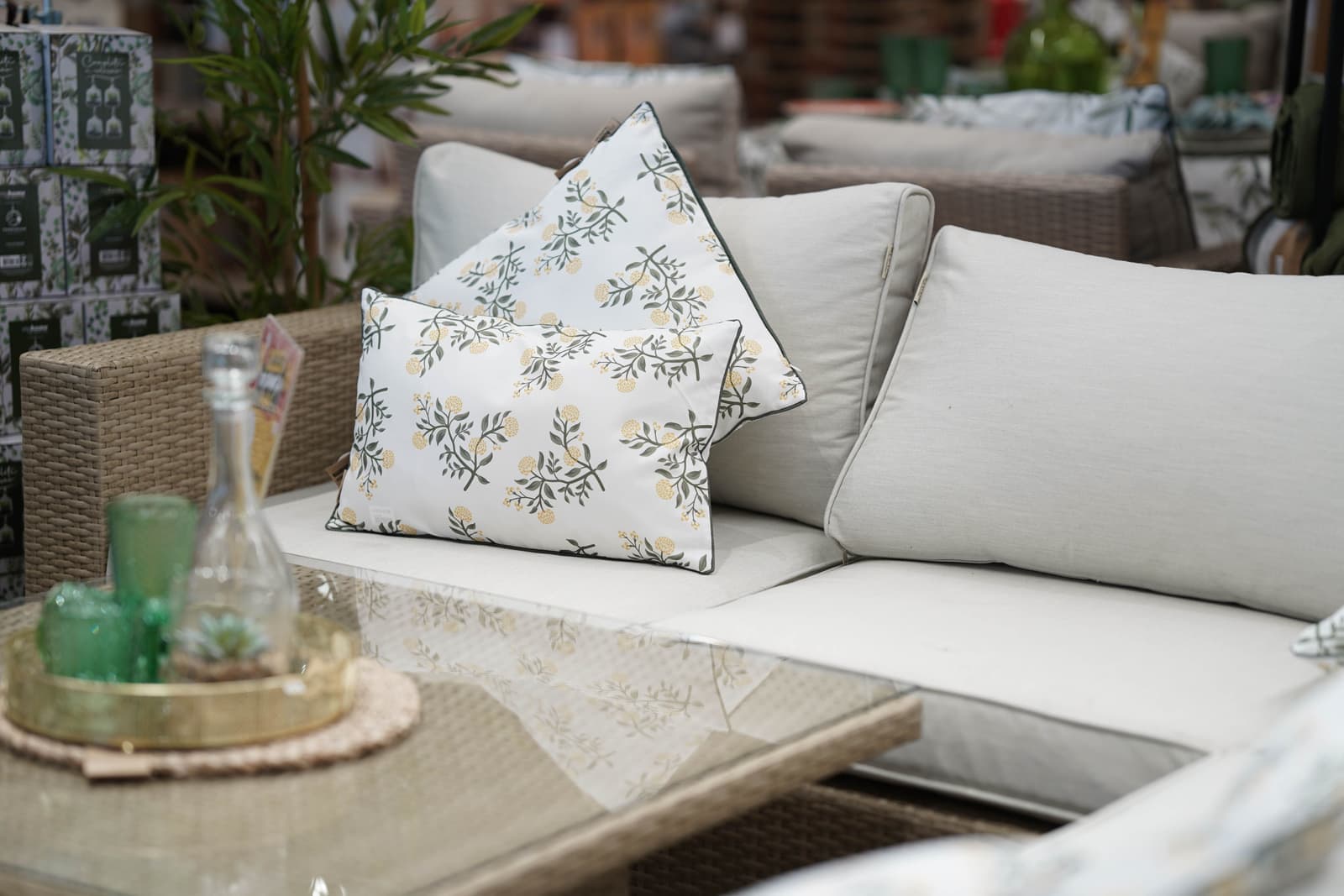 Yardbird Harriet Outdoor Wicker SectionalThe frame material that makes all-weather wicker actually all-weather. | Aluminum under a wicker weave | 8.7 | Check price on Amazon #ad How we earn · Live price at Amazon |
| 3 | Tangkula Round Patio Dining Table SetRound aluminum seats more people in less floor area. | Small patios | 7.1 | Check price on Amazon #ad How we earn · Live price at Amazon |
Scores are our own, assessed from published specifications, warranty terms and owner-reported outcomes — not from laboratory testing. Prices are shown live on Amazon; we never print a figure we cannot verify.
Why aluminum cannot rust
Rust is specifically iron oxide. Aluminum contains no iron, so it cannot rust by definition. It does oxidize — aluminum reacts with air almost instantly — but aluminum oxide is a dense, tightly bonded film that seals the metal underneath and stops the reaction. Iron oxide does the opposite: it is porous, it flakes, and it exposes fresh metal so corrosion keeps going.
This is the single most useful material fact in outdoor furniture, and listings routinely obscure it by saying only "metal frame" or "powder-coated frame." A magnet settles it in a second: it sticks to steel and not to aluminum.
Cast versus extruded tube
Both are aluminum and both are rust-proof, but they are very different products to own.
| Cast aluminum | Extruded / tube aluminum | |
|---|---|---|
| How it is made | Molten aluminum poured into molds | Aluminum pushed through a die into hollow sections |
| Weight | Heavy — comparable to wrought iron | Light, often very light |
| Wind behavior | Stays put without tying down | Moves and can blow over |
| Look | Detailed, often ornate; solid sections | Clean and modern; visible tube joins |
| Failure point | Chips at edges if struck hard | Dents; joints loosen over time |
| Price | Higher | Lower — it is the volume product |
For a windy site, cast is worth the premium on its own. Light tube-frame chairs that end up in a neighbor's yard after a storm are among the most common complaints in this category, and no amount of coating quality fixes a weight problem.
Powder coat: the tier nobody states
Since the metal is safe, the coating is the actual variable. And there is a real published standard for architectural finishes: the AAMA specifications, which grade exterior coatings by how they perform in actual South Florida weathering exposure.
| Spec | Resin content | Real-world weathering requirement | Typical warranty |
|---|---|---|---|
| AAMA 2603 | Standard polyester | Baseline — interior and light exterior use | 1-2 years |
| AAMA 2604 | 50% fluoropolymer | 5 years of South Florida exposure | 5 years |
| AAMA 2605 | 70% fluoropolymer | 10 years of South Florida exposure | 10 years |
Tiers and exposure requirements per Linetec and AMICO Architectural Metals. Consumer patio furniture almost never states a tier.
The difference between 2604 and 2605 is fluoropolymer resin content and twice the real-world exposure requirement. Almost no consumer patio furniture is certified to either, which is itself the information: if a brand had a 2604-rated finish, it would tell you.
What to do with that in practice: treat coating life on consumer aluminum furniture as unknown, prefer brands that answer the question when asked, and keep touch-up paint for chips — on aluminum a chip is cosmetic rather than the start of a corrosion path, which is exactly the advantage over steel.
The honest downsides
- It gets hot. Aluminum conducts heat readily, and a dark table top in direct sun becomes genuinely unpleasant to touch. Shade or a lighter color solves it.
- Tube frames are too light. The most common real-world aluminum complaint, and the reason cast is worth the money on an exposed site.
- Coating grade is opaque. You are usually buying an unspecified finish, and you will not know how good it was until year five.
- Fasteners are often steel. An aluminum frame with plated steel bolts will still show rust streaks. Look for stainless hardware, and 316 near salt water.
- Dents do not come out. Cast chips, tube dents, and neither is repairable at home.
None of that changes the headline: for anyone who wants metal furniture, aluminum is the correct answer, and the steel comparison is not close.
The picks in full
Each entry states what the product is, how it scores on our five criteria, what it gives up, and how the pick was made.
1. Cast aluminum dining
Tangkula 5-Piece Cast Aluminum Outdoor Dining Set
Tangkula · Score 7.5/10
Cast aluminum is the quiet right answer for a small dining set: it cannot rust, and the weight problem solves itself.
Key specifications
- Cast aluminum frame and chairs
- Powder-coated finish
- Four chairs and a table
- No cushions required
How it scores
- Fade resistance
- 7.5
- Rust and corrosion
- 9.0
- Wind and stability
- 7.5
- Build and hardware
- 7.5
- Warranty strength
- 5.5
What works
- Aluminum does not rust — the single biggest failure mode in metal furniture is gone
- Cast sections are heavy enough to stay put without being immovable
- Powder coat is repairable with touch-up paint
The trade-offs
- The surface gets hot in direct sun
- Powder-coat grade is rarely stated, so coating life is the unknown
- Cast aluminum chips if something hard hits an edge
#ad How we earn · Live price at Amazon
Selected on published specification, warranty terms and owner-reported outcomes; not personally tested.
2. Aluminum under a wicker weave
Yardbird Harriet Outdoor Wicker Sectional
Yardbird · Score 8.7/10
The build most people mean when they say they want a patio set that lasts: aluminum frame, HDPE-based weave, performance fabric.
Key specifications
- Powder-coated aluminum frame
- HDPE-based all-weather wicker weave
- Performance fabric cushions
- 10-year frame warranty on premium pieces
How it scores
- Fade resistance
- 8.5
- Rust and corrosion
- 9.0
- Wind and stability
- 7.5
- Build and hardware
- 9.0
- Warranty strength
- 8.5
What works
- An aluminum frame cannot rust from the inside out the way a steel frame does
- HDPE weave is the only wicker type that survives real UV exposure
- Replacement cushions and parts are actually available
The trade-offs
- Premium pricing; this is a several-thousand-dollar category
- Cushions still need storing or covering off-season
#ad How we earn · Live price at Amazon
Selected on published specification, warranty terms and owner-reported outcomes; not personally tested.
3. Small patios
Tangkula Round Patio Dining Table Set
Tangkula · Score 7.1/10
Round tables seat more people in less space than rectangles, and this is the affordable aluminum version of that argument.
Key specifications
- Aluminum frame with powder-coated finish
- Round top, umbrella hole standard
- Four to six seats
- No rust-capable structural steel
How it scores
- Fade resistance
- 7.0
- Rust and corrosion
- 8.5
- Wind and stability
- 6.5
- Build and hardware
- 7.0
- Warranty strength
- 5.0
What works
- Round geometry suits small square patios far better than a rectangle
- The umbrella hole is centered, which is where a round table wants it
- Aluminum frame means no rust
The trade-offs
- Lighter than cast aluminum, so it moves in wind
- Coating grade unstated
#ad How we earn · Live price at Amazon
Selected on published specification, warranty terms and owner-reported outcomes; not personally tested.
Common questions
Does aluminum patio furniture rust?
Is cast aluminum better than tube aluminum patio furniture?
How long does powder coating last on patio furniture?
Is aluminum or steel better for outdoor furniture?
Sources
- AAMA Paint Specifications — Linetec. Checked 2026-09-23.
The AAMA 2603 / 2604 / 2605 architectural finish tiers used as the yardstick for what a powder coat on aluminum is actually rated to do.
- Understanding AAMA 2604 vs. AAMA 2605 — AMICO Architectural Metals. Checked 2026-09-23.
The South Florida natural-weathering requirement behind each tier — 5 years for 2604, 10 years for 2605 — and the 50% vs 70% fluoropolymer resin difference.
- 304 vs 316 Stainless Steel Screws — SFS USA. Checked 2026-09-23.
Why 316 fasteners resist chloride pitting and 304 do not: the 2-3% molybdenum addition that stabilizes the passive layer.
Read next
More from Materials
Five materials, five very different outcomes after five summers. Start here if you are choosing.