Material
Teak outdoor furniture
The wood that needs no finish — provided you bought the part of the tree that does the work.
How this page is funded: Deck & Dusk earns a commission when you buy through the Amazon links below, at no extra cost to you. Commission never decides a ranking — our picks and our criteria are set before any link is added. Read the full disclosure.
Quick picks
Teak at sane prices means plantation teak. These are the pieces where the grade and hardware are worth the money.
| # | Product | Best for | Score | Price |
|---|---|---|---|---|
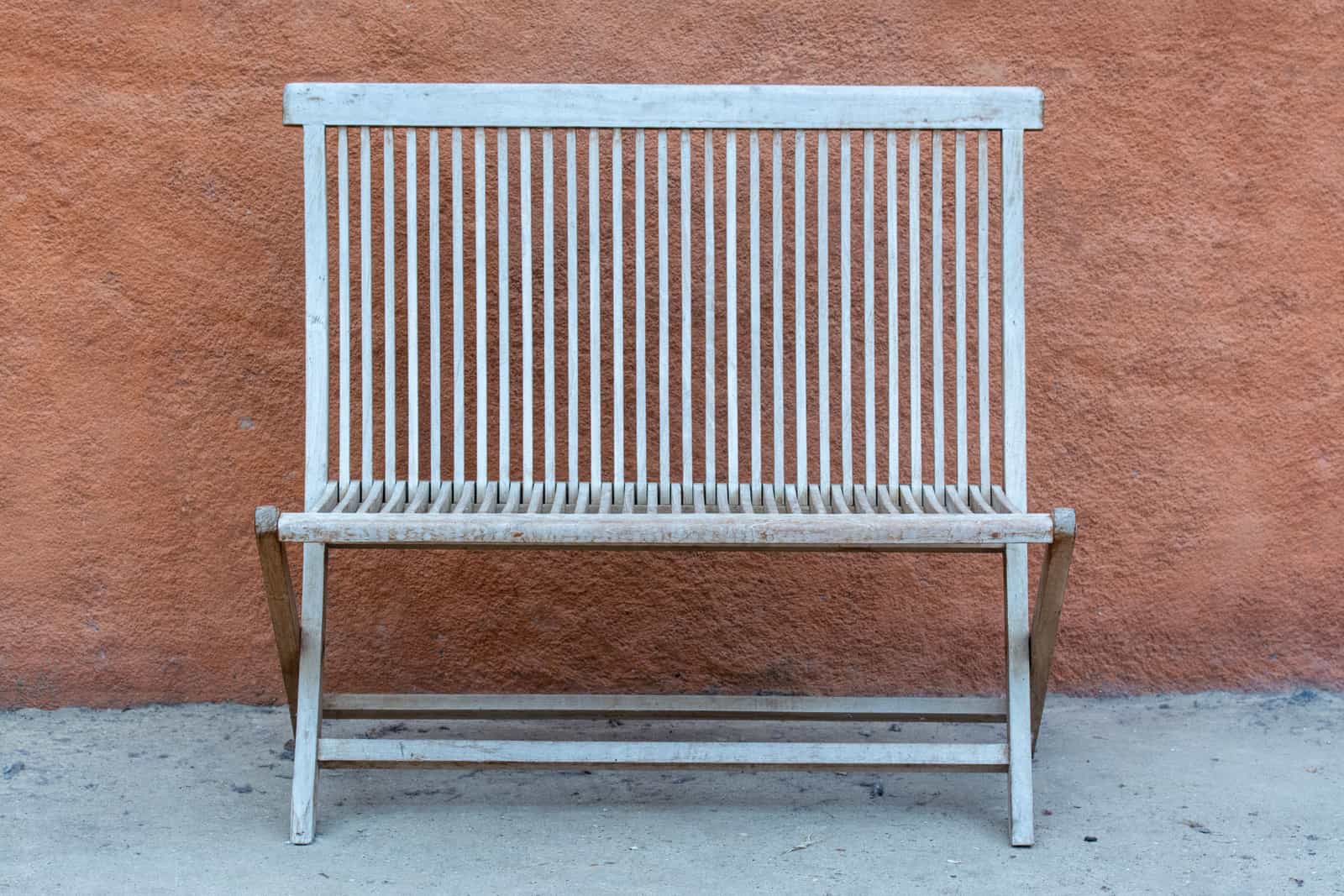
| 1 | 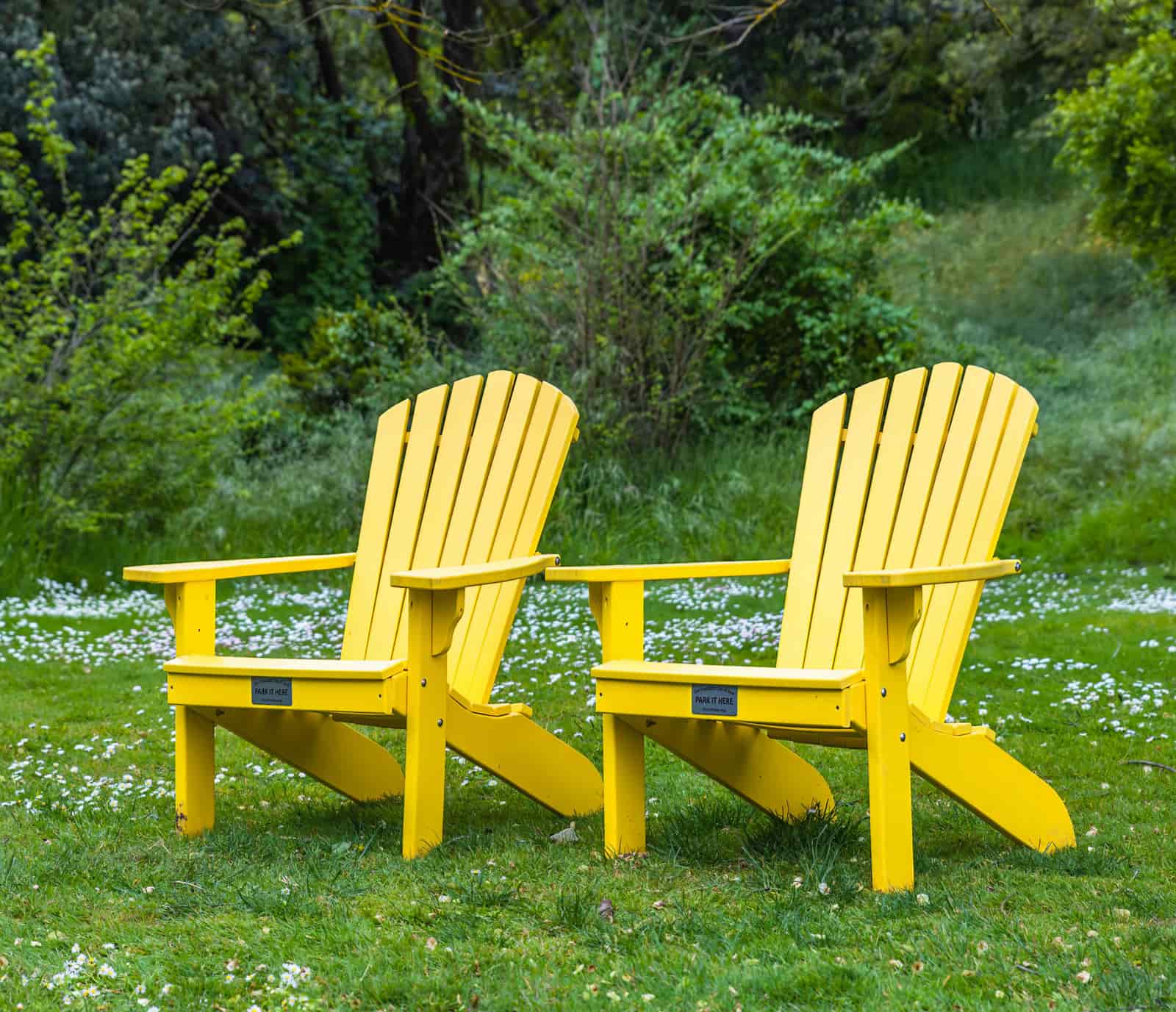 Cambridge Casual Teak Adirondack ChairPlantation teak that genuinely weathers without treatment. | Teak without the marine-grade price | 7.8 | Check price on Amazon #ad How we earn · Live price at Amazon |
| 2 | 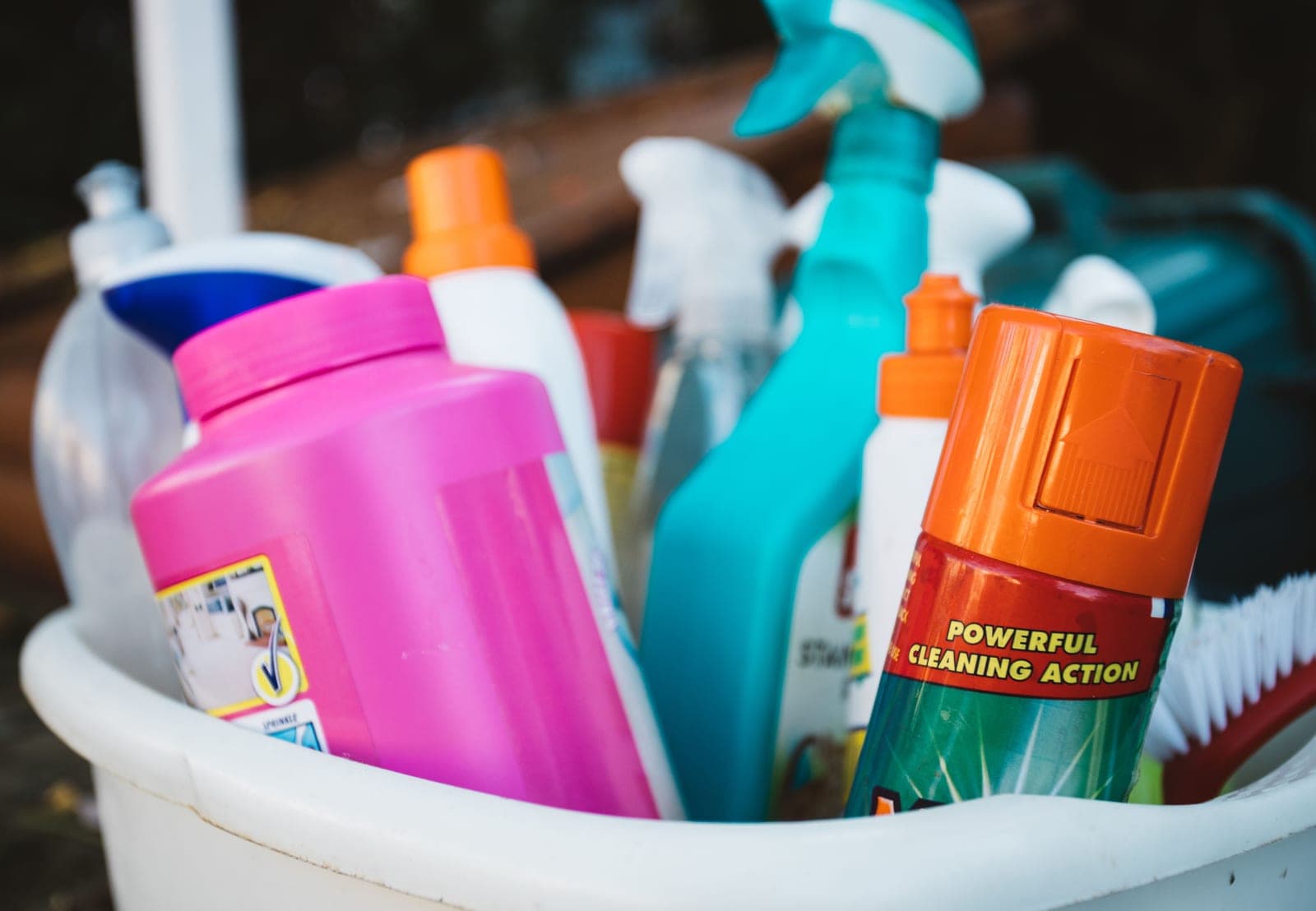 Star brite Premium Outdoor Teak CleanerChemical cleaning removes far less wood than sanding. | Bringing gray teak back | 7.5 | Check price on Amazon #ad How we earn · Live price at Amazon |
| 3 | 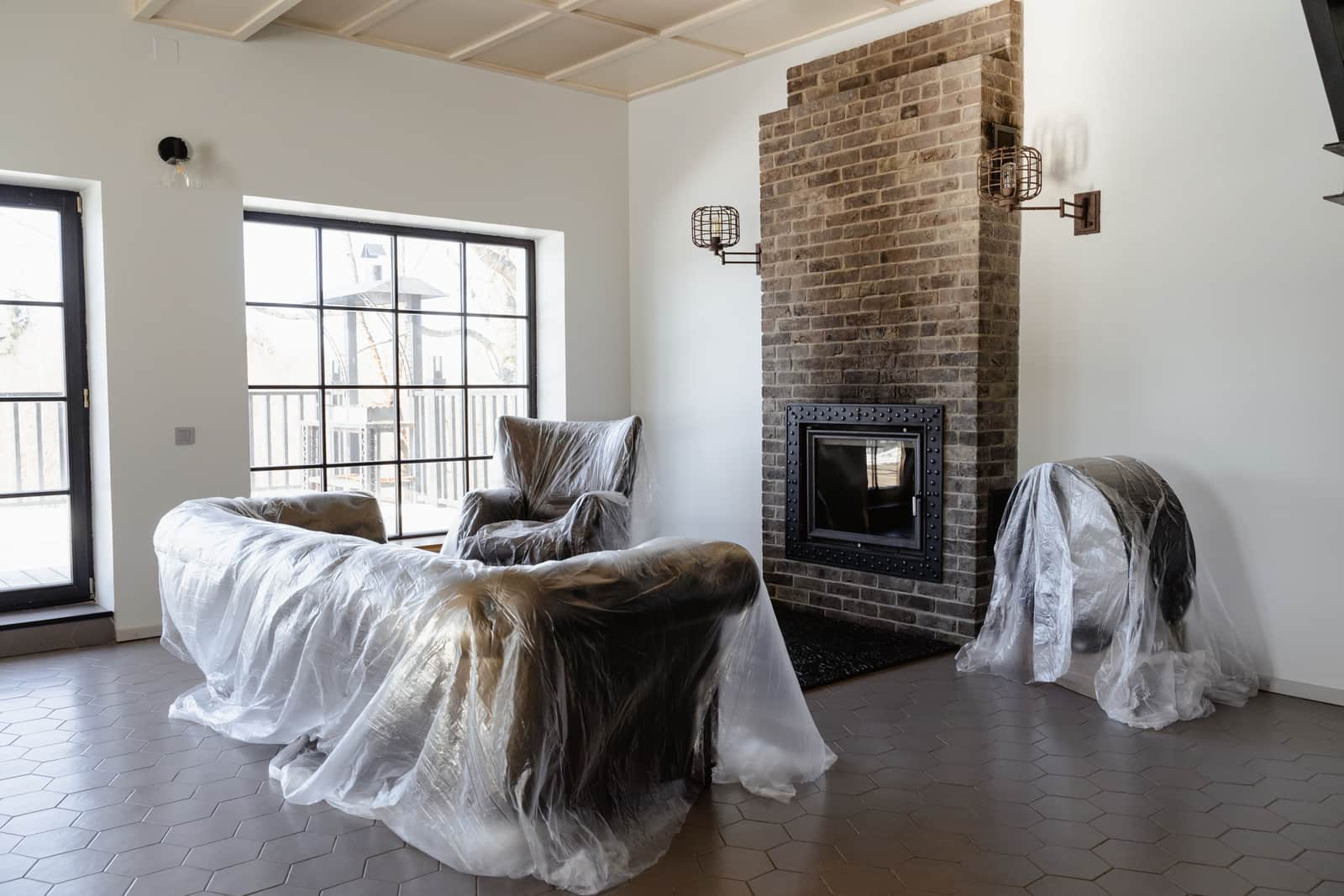 Classic Accessories Ravenna Patio Furniture CoverThe actual threat to teak is trapped wet debris, not rain. | Keeping debris out of the joints | 8.1 | Check price on Amazon #ad How we earn · Live price at Amazon |
Scores are our own, assessed from published specifications, warranty terms and owner-reported outcomes — not from laboratory testing. Prices are shown live on Amazon; we never print a figure we cannot verify.
Why teak survives outdoors
Teak is not weatherproof because of anything done to it. It is weatherproof because of what is inside it. The heartwood contains extractives — including naphthoquinone compounds — that are hostile to the fungi and insects that destroy other timbers outdoors, and a high density of tyloses that physically obstruct the vessels water would otherwise travel along.
That is why a teak bench can sit in a garden for decades with nothing applied to it and remain structurally sound. It is also why every claim about teak has to specify which part of the tree. Work published in BioResources found that heartwood positions in 20-year-old teak were highly resistant to fungal attack with mass losses under 10%, while positions closer to the pith and in the sapwood only reached the weaker resistant classification. The USDA Forest Products Laboratory makes the same general point across species: heartwood is what carries decay resistance, and sapwood does not inherit it.
Grade A, B and C — what they mean
These are trade descriptions rather than a regulated standard, so treat them as a rough guide and verify what you can see in the product photographs.
| Grade | What it is | How it behaves outdoors |
|---|---|---|
| Grade A | Mature heartwood only, from the outer trunk. Uniform honey-brown, tight straight grain, visibly oily. | The 20-year-plus material. No treatment required at all. |
| Grade B | Outer heartwood with some sapwood included. Lighter patches, more variation in tone. | Good, with weaker areas. Sapwood sections weather faster and can soften at ground contact. |
| Grade C | Substantially sapwood and inner-trunk material. Pale, dry-looking, often knotted. | Not meaningfully better than a mid-grade hardwood. Needs sealing to last. |
Grades are industry conventions, not a certified standard. What you can check yourself: uniform color, tight straight grain, and a slightly oily feel to the surface.
What to look for in the photographs
- Uniform color across every component, not just the seat slats.
- Tight, roughly parallel grain rather than wild figure.
- No pale streaks running along an edge — that is sapwood.
- Stainless or solid brass hardware. Plated steel bolts in a teak chair are an immediate tell about the rest of the build; teak itself is fine with 316 stainless near the coast.
The graying question
Left outside, teak turns from honey-brown to a soft silver-gray, usually within about a year. This is the single most misunderstood thing about the material. The graying is a surface photo-oxidation of lignin roughly 0.1 mm deep. It has no effect whatsoever on strength, decay resistance or lifespan.
So the choice is aesthetic. Let it gray and do nothing, and you own a low-maintenance object that many people think looks better. Keep it honey-colored and you have signed up for cleaning and re-oiling at least annually, because oil weathers off.
Plantation versus old-growth
Almost all teak furniture sold today is plantation-grown, typically from managed estates in Indonesia. Plantation teak grows faster, which produces wider growth rings, a higher proportion of juvenile wood and generally lower extractive content than slow-grown old-growth Burmese teak.
In practice, good plantation teak still clears twenty years outdoors. It is not the equal of century-old timber, but the honest comparison is not old-growth teak — it is the acacia set at a third of the price, and against that, plantation teak wins clearly.
Sustainability is a real consideration here in a way it is not for plastics. Look for FSC certification or an equivalent chain-of-custody claim, and treat its absence on an unusually cheap teak product as a question worth asking.
What teak actually needs
Very little, and most of what people do to it is optional:
- Keep joints clear. The genuine threat is wet debris sitting in corners and around fasteners, holding moisture against end grain indefinitely. A brush-out twice a year does more than any product.
- Get it off standing water. Feet in a permanent puddle is the one condition that will eventually soften even good teak.
- Clean it when it looks dirty. Gray is fine; black streaking is mildew, and a proper teak cleaner lifts it without the aggressive sanding that thins a board every time you do it.
- Oil only if you want the color. Expect to redo it annually.
If a teak set has gone gray and blotchy and you want the color back, the sequence is on our restoration page — and the chemical route removes far less material than sanding.
The picks in full
Each entry states what the product is, how it scores on our five criteria, what it gives up, and how the pick was made.
1. Teak without the marine-grade price
Cambridge Casual Teak Adirondack Chair
Cambridge Casual · Score 7.8/10
Real teak at an accessible price, which in practice means plantation teak: genuinely weatherproof, with more sapwood than a marine-grade board.
Key specifications
- Plantation-grown teak
- Brass or stainless fasteners depending on model
- Ships partly assembled
- Will silver within roughly a year outdoors unless oiled
How it scores
- Fade resistance
- 7.0
- Rust and corrosion
- 8.5
- Wind and stability
- 8.5
- Build and hardware
- 8.0
- Warranty strength
- 6.0
What works
- Teak heartwood carries its own decay resistance — no coating to fail
- Repairable and sandable, unlike every plastic in this list
- Ages into a gray that many people prefer to the honey color
The trade-offs
- Needs cleaning and optional oiling if you want to keep the color
- Lower grades include sapwood, which is the weak link outdoors
- Heavier and pricier than HDPE for a similar service life
#ad How we earn · Live price at Amazon
Selected on published specification, warranty terms and owner-reported outcomes; not personally tested.
2. Bringing gray teak back
Star brite Premium Outdoor Teak Cleaner
Star brite · Score 7.5/10
The two-step teak cleaner that brings gray wood back without the aggressive sanding that thins a board every time.
Key specifications
- Two-part cleaner and brightener system
- Formulated for weathered gray or blackened teak
- Applied to dry wood, worked in for a few minutes, rinsed
- Compatible with teak oil and sealer afterward
How it scores
- Fade resistance
- 7.5
- Rust and corrosion
- 8.0
- Wind and stability
- 7.0
- Build and hardware
- 8.0
- Warranty strength
- 5.0
What works
- Chemical cleaning removes far less material than sanding does
- Works on the gray and black staining that soap alone will not shift
The trade-offs
- The two-step process takes an afternoon on a full set
- Needs rinsing away from planting — it is a cleaner, not a soap
#ad How we earn · Live price at Amazon
Selected on published specification, warranty terms and owner-reported outcomes; not personally tested.
3. Keeping debris out of the joints
Classic Accessories Ravenna Patio Furniture Cover
Classic Accessories · Score 8.1/10
The cover that does the two things cheap covers skip: it vents, and it has enough structure to shed water instead of pooling it.
Key specifications
- Woven polyester fabric with a water-resistant backing
- Air vents to reduce condensation
- Elastic hem with click-close straps
- Padded handles for fitting and removal
How it scores
- Fade resistance
- 7.5
- Rust and corrosion
- 9.0
- Wind and stability
- 8.0
- Build and hardware
- 8.5
- Warranty strength
- 7.0
What works
- Vents matter more than waterproofing — a sealed cover traps moisture and grows mildew
- Straps stop the cover becoming a sail in the first storm
- Size ranges actually fit real furniture dimensions
The trade-offs
- Costs several times a generic cover
- Still needs the furniture dry before you cover it
#ad How we earn · Live price at Amazon
Selected on published specification, warranty terms and owner-reported outcomes; not personally tested.
Common questions
Does teak outdoor furniture need to be oiled?
What is the difference between Grade A and Grade B teak?
Why does teak turn gray, and is that bad?
Is plantation teak as good as old-growth teak?
Can teak furniture stay outside all winter?
Sources
- Effect of age on heartwood proportion, color, chemical composition, and biological resistance of teakwood — BioResources (NC State University). Checked 2026-09-23.
Peer-reviewed finding that teak heartwood is highly resistant to fungal attack while positions near pith and sapwood are only resistant — the basis for the Grade A / B / C distinction.
- Wood Handbook, Chapter 14: Biodeterioration of Wood — USDA Forest Products Laboratory. Checked 2026-09-23.
Heartwood decay-resistance categories, and the point that heartwood — not sapwood — carries a species' decay resistance.
- 304 vs 316 Stainless Steel Screws — SFS USA. Checked 2026-09-23.
Why 316 fasteners resist chloride pitting and 304 do not: the 2-3% molybdenum addition that stabilizes the passive layer.
Read next
More from Materials
Five materials, five very different outcomes after five summers. Start here if you are choosing.