How-to
How to protect patio furniture from rust
Prevention first, then the repair sequence for when prevention came too late.
How this page is funded: Deck & Dusk earns a commission when you buy through the Amazon links below, at no extra cost to you. Commission never decides a ranking — our picks and our criteria are set before any link is added. Read the full disclosure.
Quick picks
The products for each step. Rust treatment is a sequence, and skipping the top coat wastes the rest of it.
| # | Product | Best for | Score | Price |
|---|---|---|---|---|
| 1 | 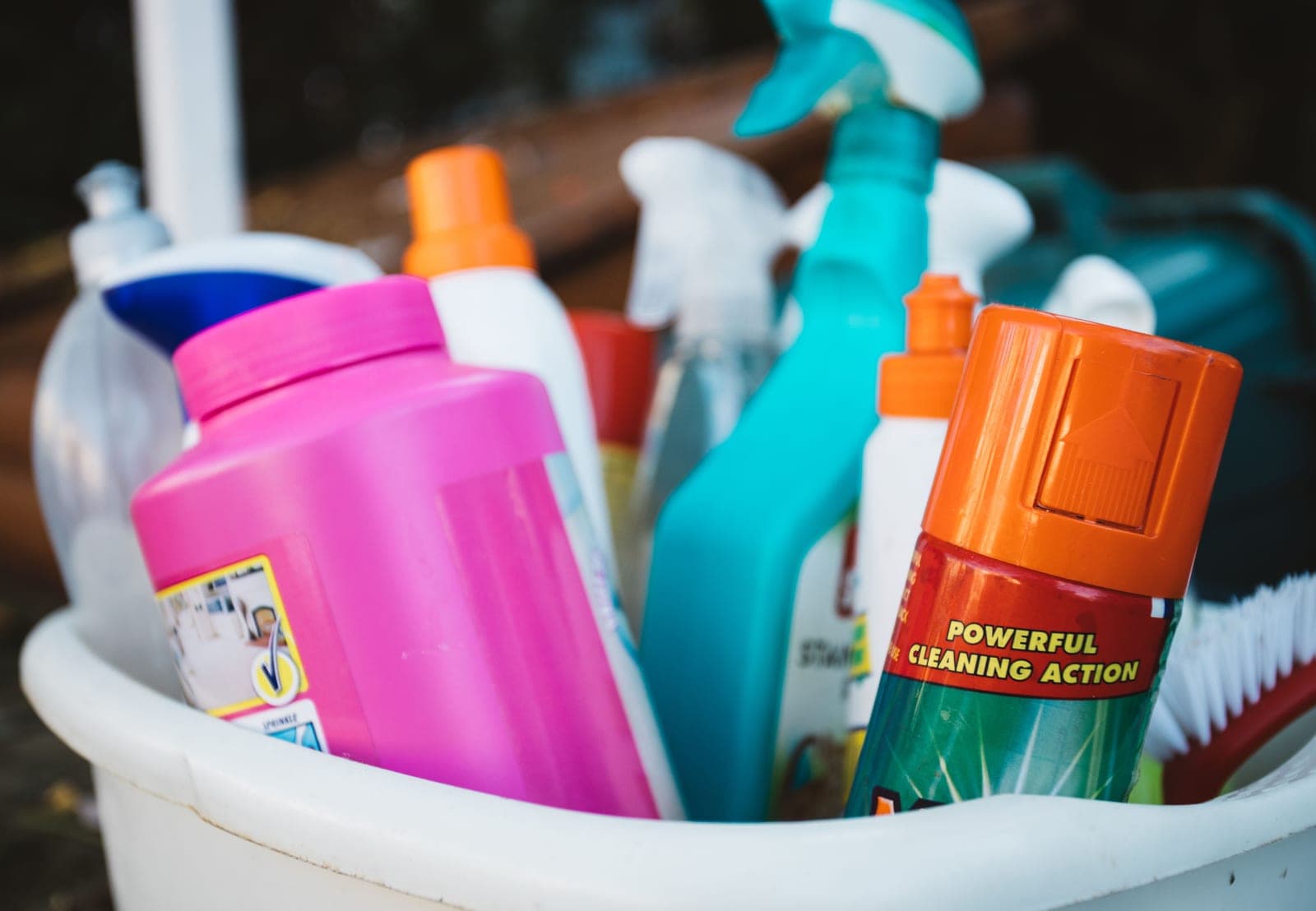 Rust-Oleum Stops Rust Rust ReformerConverts rust to a paintable surface; needs a top coat over it. | Rust that already exists | 6.6 | Check price on Amazon #ad How we earn · Live price at Amazon |
| 2 |  Classic Accessories Ravenna Patio Furniture CoverKeeping months of winter moisture off a coating breach. | Prevention | 8.1 | Check price on Amazon #ad How we earn · Live price at Amazon |
| 3 | Star brite Outdoor Furniture CleanerClean first — you cannot see a coating chip under grime. | The inspection pass | 6.5 | Check price on Amazon #ad How we earn · Live price at Amazon |
Scores are our own, assessed from published specifications, warranty terms and owner-reported outcomes — not from laboratory testing. Prices are shown live on Amazon; we never print a figure we cannot verify.
Where rust starts
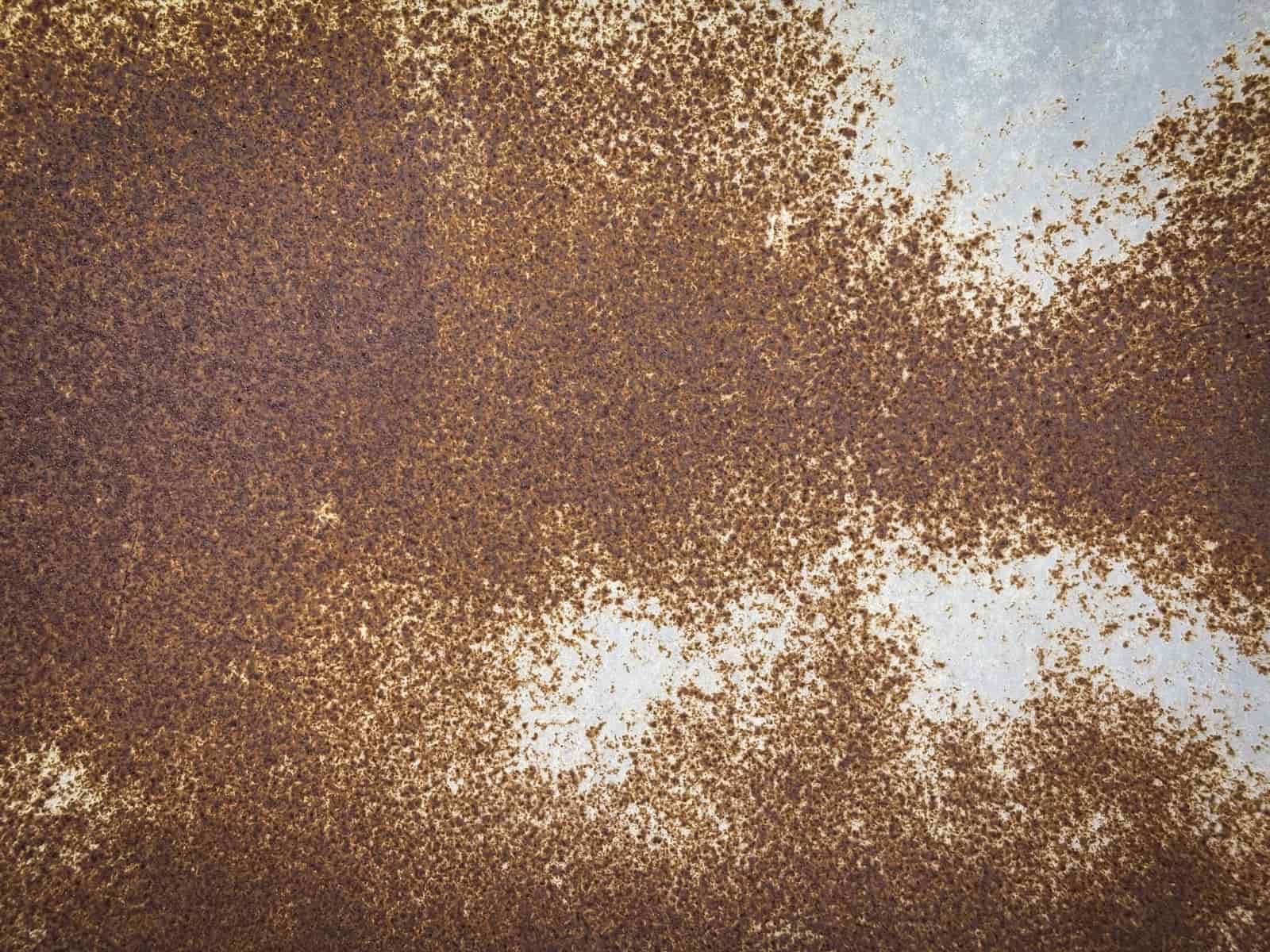
Rust on outdoor furniture is almost never random. It starts in four places, and knowing them turns a vague worry into a ten-minute annual inspection.
- Drilled fastener holes. A drilled hole exposes a cut edge that powder coating cannot properly cover. Trace the rust streaks on any rusting chair and they almost always start at a bolt head.
- Welds. The heat-affected zone around a weld takes coating poorly, and it is usually the first bloom on a welded frame.
- Feet and glides. They sit in standing water and get dragged across concrete, which abrades the coating exactly where it is most needed.
- Impact chips. Anywhere something hard has hit an edge — a dropped tool, a thrown ball, the corner of a grill.
Prevention, in order
- Get the feet out of standing water. The highest-return action by a distance. Pads, glides, slabs, blocks — anything that breaks the contact.
- Inspect every spring, with the furniture tipped over. Ten minutes. Look at the four places listed above. Clean it first, because you cannot see a chip through grime.
- Touch up chips the week you find them. A chip treated in April is a five-minute job with touch-up paint. The same chip in October is a refinish.
- Cover it, vented, over dry furniture. Steel benefits from covering more than any other material — winter is months of continuous moisture on every breach. Our cover picks explain the venting requirement.
- Do not drag it. Dragging across concrete abrades the coating on the feet, which is where water already is.
- Replace plated fasteners with stainless. If a frame is worth keeping, swapping rusting bolts for stainless — 316 near the coast — removes the most common starting point entirely.
The repair sequence
Once rust is visible, cleaning will not fix it. This is the sequence, and skipping steps wastes the work.
1. Remove everything loose
Wire brush, then abrasive pad, until you are down to sound metal or sound coating. This is the step people rush and it decides whether the repair lasts — treating over loose scale means the scale lifts and takes the repair with it.
2. Clean and dry
Wipe away dust, degrease if the area has been handled, and let it dry completely. Converters and paints will not bond to a dusty or oily surface.
3. Treat the remaining rust
A rust converter chemically transforms residual rust into a stable paintable compound. This is the honest fix for rust in pits and crevices you cannot physically reach — it does not restore metal already lost, but it stops the process and gives you a surface to paint.
4. Top coat
This step is not optional. A converter is a primer, not a finish, and left bare it will not last. An exterior enamel over the converted area seals it and restores the barrier. Match the color if you care, but a mismatched patch that is sealed beats a perfect-looking one that is not.
When to stop repairing
Rust repair is worth doing until it is not, and there are three reasonably clear signals that a frame has reached the end:
- Perforation. If a wire brush goes through a tube wall, the section has lost structural metal. That leg is now a safety question, not a cosmetic one.
- Rust at multiple load-bearing joints. One joint is a repair. Four is a pattern, and the ones you cannot see are worse than the ones you can.
- Hidden corrosion under a weave. On a wicker set with a steel frame, by the time rust is visible through the weave it has usually been progressing for a while. This is the case where we would stop.
If you are replacing, the way to not repeat this is to buy something with no corrosion path at all — our rust-proof picks and the steel versus aluminum comparison cover the options.
The picks in full
Each entry states what the product is, how it scores on our five criteria, what it gives up, and how the pick was made.
1. Rust that already exists
Rust-Oleum Stops Rust Rust Reformer
Rust-Oleum · Score 6.6/10
Converts existing rust into a paintable surface, which is the only honest fix once a powder coat has already failed.
Key specifications
- Converts rust to a flat black paintable surface
- Spray application over wire-brushed rust
- Top-coat with an enamel afterward
- For steel and iron, not aluminum
How it scores
- Fade resistance
- 6.0
- Rust and corrosion
- 8.0
- Wind and stability
- 6.0
- Build and hardware
- 7.0
- Warranty strength
- 4.5
What works
- Buys years on a steel frame that would otherwise be scrapped
- Cheap relative to replacing the furniture
The trade-offs
- It treats rust; it does not undo the metal loss already there
- Needs a top coat or it will not last
- Pointless on aluminum, which does not rust in the first place
#ad How we earn · Live price at Amazon
Selected on published specification, warranty terms and owner-reported outcomes; not personally tested.
2. Prevention
Classic Accessories Ravenna Patio Furniture Cover
Classic Accessories · Score 8.1/10
The cover that does the two things cheap covers skip: it vents, and it has enough structure to shed water instead of pooling it.
Key specifications
- Woven polyester fabric with a water-resistant backing
- Air vents to reduce condensation
- Elastic hem with click-close straps
- Padded handles for fitting and removal
How it scores
- Fade resistance
- 7.5
- Rust and corrosion
- 9.0
- Wind and stability
- 8.0
- Build and hardware
- 8.5
- Warranty strength
- 7.0
What works
- Vents matter more than waterproofing — a sealed cover traps moisture and grows mildew
- Straps stop the cover becoming a sail in the first storm
- Size ranges actually fit real furniture dimensions
The trade-offs
- Costs several times a generic cover
- Still needs the furniture dry before you cover it
#ad How we earn · Live price at Amazon
Selected on published specification, warranty terms and owner-reported outcomes; not personally tested.
3. The inspection pass
Star brite Outdoor Furniture Cleaner
Star brite · Score 6.5/10
A spray-and-wipe all-surface cleaner for the routine jobs that do not justify mixing a bucket.
Key specifications
- Ready-to-use spray
- For resin, painted metal, vinyl and fabric
- No dilution required
- Frequent light-duty use
How it scores
- Fade resistance
- 6.5
- Rust and corrosion
- 7.5
- Wind and stability
- 6.0
- Build and hardware
- 6.5
- Warranty strength
- 5.0
What works
- No mixing, so it actually gets used
- Safe across most outdoor surfaces
The trade-offs
- Expensive per ounce next to a concentrate
- Not strong enough for a season of built-up grime
#ad How we earn · Live price at Amazon
Selected on published specification, warranty terms and owner-reported outcomes; not personally tested.
Common questions
How do I stop patio furniture rusting?
How do you fix rusted patio furniture?
Does rust converter actually work on patio furniture?
When should I replace rusted patio furniture instead of repairing it?
Sources
- 304 vs 316 Stainless Steel Screws — SFS USA. Checked 2026-09-23.
Why 316 fasteners resist chloride pitting and 304 do not: the 2-3% molybdenum addition that stabilizes the passive layer.
- AAMA Paint Specifications — Linetec. Checked 2026-09-23.
The AAMA 2603 / 2604 / 2605 architectural finish tiers used as the yardstick for what a powder coat on aluminum is actually rated to do.
Read next
More from Covers & Care
Covers that vent, cushions that hold color, and the four maintenance jobs worth doing.